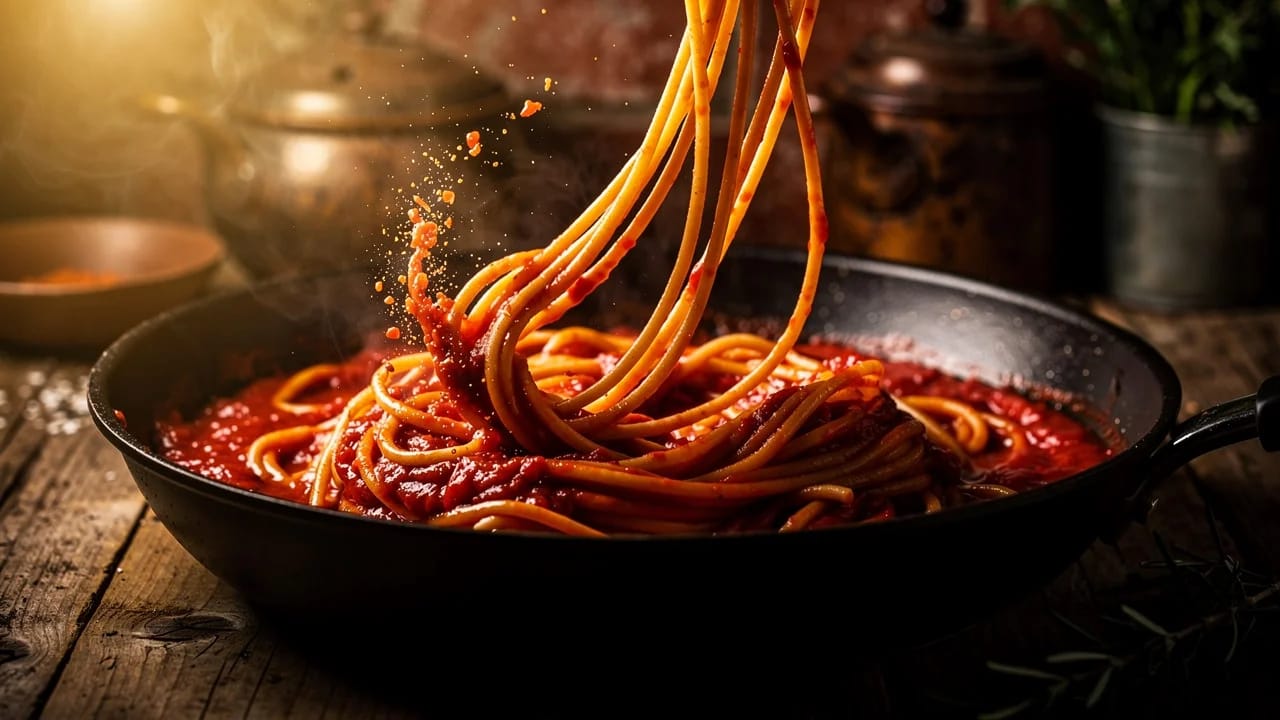
 Bastien
12 pasta cooking mistakes ruining your dinner
Most pasta problems come down to technique, not ingredients. These twelve common mistakes are easy to fix once you understand the science behind them. Correct even three and your weeknight pasta will taste noticeably better.
You learned to cook pasta when you were ten, and you've been doing it the same way ever since. Boil water, dump in the noodles, drain, add sauce. It works. Sort of. But if your spaghetti tastes flat, your sauce slides right off, or everything clumps into a starchy brick the moment it hits the plate, the problem isn't the pasta. It's technique.
I used to think I was decent at cooking pasta until I spent a week in a tiny kitchen in Bologna, watching a friend's grandmother make cacio e pepe. She did everything differently. Her water was saltier, her timing tighter, and she never once reached for a colander. That trip rewired how I think about pasta, and these twelve mistakes are the lessons that stuck.
The good news: most pasta cooking mistakes are easy to fix once you understand why they matter. These twelve errors are the ones home cooks make most often, and each one has a straightforward solution backed by basic kitchen science. Fix even three of them and your weeknight pasta will taste noticeably better.
The water mistakes
Getting the water right is half the battle. Most pasta problems start before a single noodle hits the pot.
1. Using too small a pot
Pasta needs room to move. When noodles are crammed into a small pot, they cook unevenly, stick together, and release starch into too little water, turning it into a gluey mess.
The rule: Use 4-6 quarts (4-6 liters) of water per pound (450g) of pasta. That means your biggest pot, filled generously. The extra water maintains a rolling boil when you add the pasta, which prevents the temperature from dropping too far. A big temperature drop means the outside of the noodle overcooks before the inside is done.
2. Not salting the water enough
This is the single most impactful mistake on the list. Unsalted pasta tastes flat no matter how good your sauce is, because pasta absorbs water as it cooks. This is your only chance to season the noodle from the inside out.
How much salt: 1-2 tablespoons of kosher salt per gallon of water. The old guideline "it should taste like the sea" is a decent reference point, though actual seawater would be too salty. Aim for pleasantly seasoned. If you taste the water and it reminds you of good soup broth, you're in the right range.
A quick note: some people add salt before the water boils. It doesn't matter much either way, but salt slightly delays boiling because it raises the water's boiling point. Add it when you see the first big bubbles.
3. Adding oil to the water
This one seems logical. Oil prevents sticking, right? In theory. In practice, oil floats on the water's surface, coats the pasta as you drain it, and creates a slick barrier that prevents sauce from clinging to the noodles.
The real fix for sticking is simpler: use enough water (see mistake number one) and stir the pasta within the first two minutes of cooking. That's when surface starch release peaks, and a quick stir breaks up any noodles that are trying to fuse together.
Save the olive oil for finishing. A drizzle of good extra-virgin olive oil on the finished dish adds flavor without interfering with sauce adhesion.
The cooking mistakes
The pasta is in the pot. Now the clock is ticking.
4. Not stirring during the first two minutes
Drop pasta into boiling water and walk away, and you'll come back to a tangled clump welded together at the bottom of the pot. The first 90-120 seconds after adding pasta are critical because the noodle surfaces release a burst of starch. That starch is sticky, and if two noodles are touching during this window, they'll bond.
Stir immediately after adding the pasta, then stir again every 60-90 seconds for the rest of the cook. This is a good moment to practice mise en place thinking: have your tongs or pasta fork at the ready before the noodles go in.
5. Trusting the box timer blindly
The time printed on the package is a guideline, not a guarantee. Variables like altitude, pot size, water temperature, and even the age of the dried pasta affect cooking time. A box that says "9 minutes" might produce perfect al dente pasta at 7 minutes in your kitchen, or it might need 10.
How to test for al dente: Pull out a single noodle and bite through it. You should feel a slight resistance in the center. If you cut the noodle in half, you'll see a thin white line running through the middle. That's uncooked starch, and it means the pasta still has structure. Start testing two minutes before the package time suggests.
For fresh pasta (not dried), the window is much tighter. Fresh pasta cooks in 2-4 minutes, and the difference between al dente and overcooked can be as little as 30 seconds. Stay close and taste frequently.
6. Overcooking until mushy
When pasta overcooks, the starch granules inside the noodle absorb too much water, swell, and burst. The result is a soft, mealy texture with no bite. Once this happens, there's no going back.
The fix requires understanding carryover cooking. Pasta continues to cook after you drain it. Residual heat keeps working on those starch granules even off the burner. If you're planning to finish the pasta in a hot sauce (and you should be, see mistake number nine), pull the noodles from the water a full minute before they reach al dente. They'll finish cooking in the pan with the sauce, absorbing flavor instead of plain water.
After testing dozens of batches with a timer, I've found the sweet spot is closer to two minutes early for thick shapes like rigatoni, but only 45 seconds for thin spaghetti. The thicker the noodle, the more carryover cooking matters.
The draining and finishing mistakes
How you handle pasta after it leaves the pot matters just as much as how you cook it. This is where good pasta becomes great pasta.
7. Rinsing pasta after cooking
Rinsing cooked pasta under cold water stops the cooking process, which sounds helpful. But it also washes away the surface starch that acts as a natural emulsifier between the noodle and your sauce. That starch is what makes sauce cling rather than pool at the bottom of the bowl.
According to Serious Eats, the only time rinsing is appropriate is when you're making cold pasta salad, where you need to stop the cooking and don't want the noodles to stick while they cool. For any hot pasta dish, skip the rinse entirely.
8. Dumping all the pasta water down the drain
That cloudy, starchy cooking water is liquid gold. It contains dissolved starch and salt, exactly the ingredients you need to create a silky, emulsified sauce that coats every noodle.
The science behind it: when you add starchy pasta water to a pan with fat (olive oil, butter, rendered meat fat), the starch molecules act as emulsifiers, binding the fat and water into a smooth, cohesive sauce. This is the principle behind mantecatura, the Italian technique of vigorously tossing pasta with sauce and starchy water to create a creamy finish without cream.
How much to save: Scoop out 1-2 cups of pasta water with a measuring cup or ladle before you drain. Better yet, skip the colander altogether. Use tongs or a spider strainer to transfer the pasta directly from the pot to your sauce pan. The water stays in the pot, ready to use.
9. Not finishing pasta in the sauce
Dumping drained pasta onto a plate and ladling sauce on top is how most home cooks serve pasta. Italian grandmothers would be horrified. The noodles and sauce need to become one, and that happens in the pan, not on the plate.
The technique: During the last 1-2 minutes of cooking, transfer the slightly underdone pasta directly into the saucepan. Add a splash of pasta water. Toss everything together over medium heat, letting the pasta finish cooking while absorbing sauce and releasing starch to thicken it. The sauce should coat every surface, not sit on top like a hat.
This single step is the biggest gap between home-cooked pasta and restaurant pasta. It takes 90 seconds and changes everything. I remember the first time I tried it with a simple garlic and oil sauce. The difference was night and day: the sauce went from pooling at the bottom of the bowl to clinging to every strand.
The serving and pairing mistakes
Your pasta is cooked perfectly and finished in the sauce. Don't fumble it now.
10. Letting pasta sit before serving
Pasta waits for no one. The moment it leaves the heat, it starts cooling, clumping, and absorbing any remaining moisture. Five minutes on the counter turns silky spaghetti into a sticky mass.
This is another place where mise en place pays off. Before you even start boiling water, make sure your sauce is ready or nearly ready, your plates are out, and anyone eating is within calling distance. Pasta is a last-minute dish. Everything else should be done first.
If you absolutely must hold cooked pasta, toss it with a small amount of sauce or olive oil and cover it. But honestly, just time it so you don't have to.
11. Using the wrong pasta shape for your sauce
Pasta shapes aren't interchangeable. They're engineered: the ridges, tubes, curves, and flat surfaces all exist to hold specific types of sauce. Using angel hair with a chunky Bolognese is like trying to eat soup with a fork.
The underlying principle is simple: match the weight and texture of the sauce to the surface area and structure of the pasta. Heavy sauce needs a sturdy shape that can carry it. Light sauce needs a shape that lets it coat without drowning.
12. Breaking long pasta to fit the pot
We need to talk about this one. Yes, a lot of people do it. No, it's not going to ruin the flavor. But long pasta like spaghetti and linguine is designed to be twirled on a fork, and breaking it in half changes the eating experience. You end up chasing short stubs around the plate instead of getting a satisfying twirl.
The fix: use a taller pot, or simply push the spaghetti down gently as the submerged ends soften. Within 30 seconds, the dry ends will bend into the water on their own. A little patience saves the whole experience.
Diagnose your pasta problems
Not sure which mistake you're making? Start with the symptom and work backward.
Undersalted water (mistake 2). Use 1-2 tbsp kosher salt per gallon of water. The water should taste like well-seasoned broth.
Too little water (1), no stirring (4), or oil in water (3). Use more water, stir within the first 2 minutes, and skip the oil.
Rinsed pasta (7) or oil in water (3). The surface starch acts as glue between noodle and sauce. Skip the rinse, skip the oil.
Overcooked (6). Start tasting 2 minutes before the box time, pull 1 minute before al dente, and account for carryover cooking.
Didn't use pasta water (8) or didn't finish in sauce (9). Save 1-2 cups of starchy water and finish the pasta in the pan with the sauce.
Sat too long before serving (10). Serve immediately. Have plates, sauce, and diners ready before the pasta is done.
Mismatched pasta shape (11). Match the shape to the sauce weight: thin strands for light sauces, tubes and ridges for chunky ones.
This covers about 90% of the pasta complaints people bring to cooking forums. If your issue isn't here, the most likely culprit is old pasta. Dried pasta past its best-by date absorbs water unevenly and cooks inconsistently.
Perfect pasta every time
If twelve mistakes feel like a lot, focus on the three that make the biggest difference:
- Salt your water properly. One to two tablespoons of kosher salt per gallon. Your pasta should taste seasoned before sauce ever touches it.
- Save your pasta water. Scoop out a cup or two before draining. It's the secret ingredient in every great pasta sauce.
- Finish pasta in the sauce. Spend 90 seconds tossing underdone pasta in your sauce with a splash of starchy water. This is the move that separates forgettable pasta from the kind people ask you to make again.
These three fixes alone will transform your results. The rest are refinements that build on a solid foundation.
When you're cooking pasta for a crowd, these mistakes compound. Timing gets tighter, water volume matters more, and scaling your recipe accurately becomes critical. Double the pasta means double the water and double the salt, and a pot that worked for four servings won't cut it for eight. Just like cooking rice, getting the ratios right at scale is the difference between a great dinner and a disappointing one.
Keep your favorite pasta recipes, scaling notes, and timing reminders organized in Fond so the details are always at hand. Plan the meal, generate a shopping list, and cook with confidence.
Sources
Cook smarter
Join the waitlist for Fond. Recipes, meal plans, and a little AI sous-chef that learns how you cook.
Related articles

Cooking oil smoke points: the complete guide for every cooking method
Every cooking oil has a temperature limit. Push past it and you get bitter flavors, acrid smoke, and potentially harmful compounds filling your kitchen. That temperature limit is called the smoke point, and knowing it is the difference between a perfect sear and a smoking disaster.
The science of cooking: why your food works the way it does
A practical guide to the chemistry, physics, and biology behind everyday cooking. Covers the Maillard reaction, caramelization, emulsification, fermentation, heat transfer, protein denaturation, and common cooking myths debunked by science.
How to cook rice perfectly every time
Rice is the most consumed grain on the planet, yet it trips up even confident home cooks. Too sticky, too mushy, burned on the bottom. The failures are predictable, and so are the fixes. Learning how to cook rice well comes down to the right water ratio, proper heat control, and leaving it alone while it cooks.
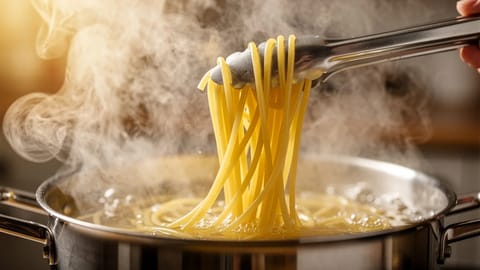
Al Dente
Italian for "to the tooth" — food cooked so it's tender but still firm when you bite into it, most often applied to pasta.
Carryover Cooking
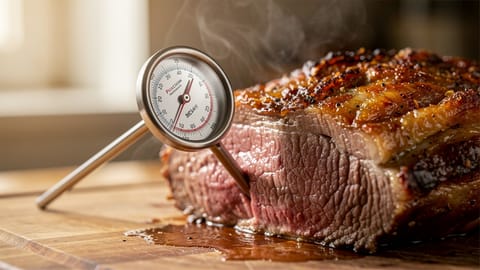
The phenomenon where food continues to cook after being removed from heat, as residual thermal energy from the exterior migrates to the cooler interior.
Kosher Salt
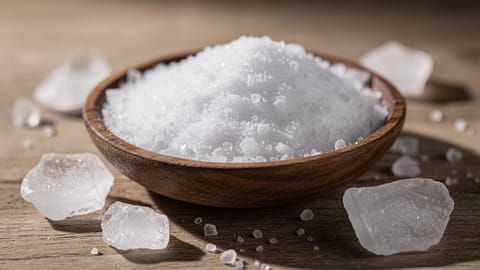
A coarse-grained salt with large, flat crystals that's preferred by chefs for seasoning because it's easy to pinch, dissolves well, and has no additives.