 Bastien
Sous vide for beginners: precision cooking without the guesswork
Everything you need to start cooking sous vide at home. Covers equipment, the basic process, a time and temperature chart for common proteins, your first steak cook, finishing techniques, meal prep strategies, common mistakes, and food safety basics.
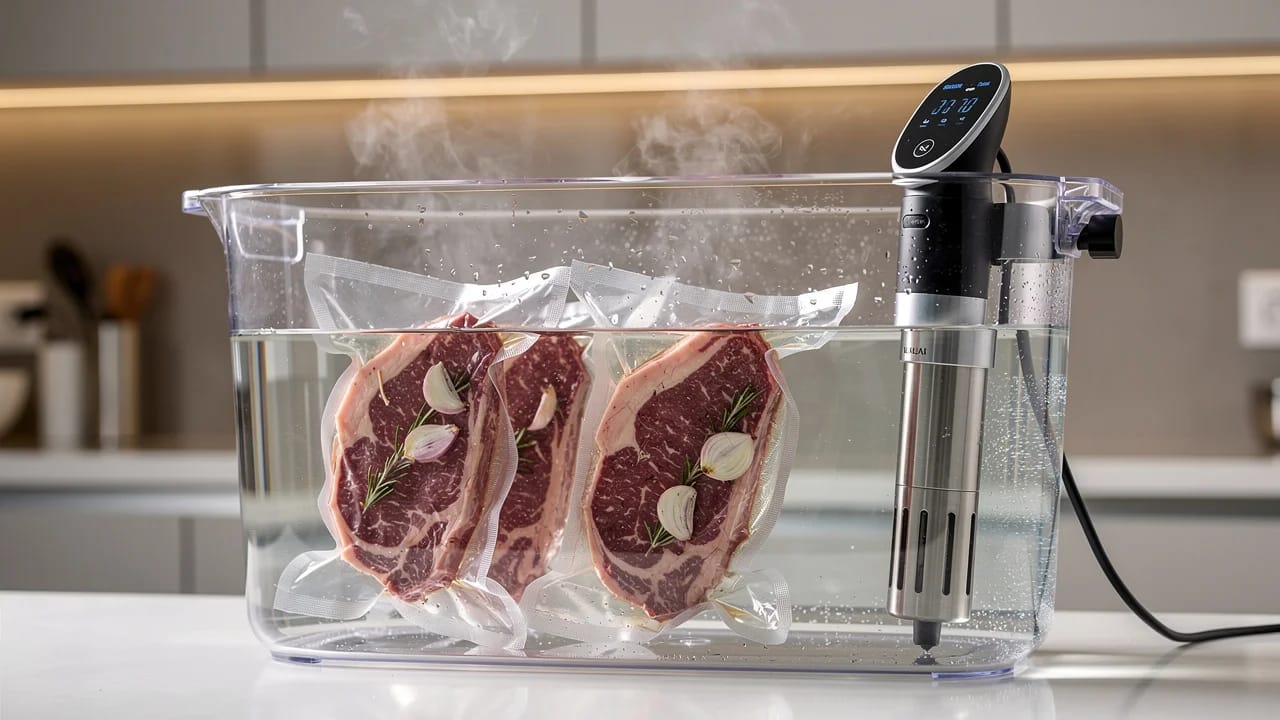
Sous vide is French for "under vacuum," but the technique is really about temperature control. You seal food in a bag, drop it into a water bath held at a precise temperature, and let time do the work. A steak cooked to 54°C (129°F) comes out medium-rare from edge to edge, every single time. No guessing, no cutting into it to check, no gradient of grey meat around a pink center.
I started cooking sous vide about three years ago with a cheap immersion circulator and some ziplock bags. The first steak I pulled out of that water bath changed how I think about cooking protein. Edge-to-edge pink, zero stress, and the sear took 45 seconds.
The technique has been used in professional kitchens since the 1970s. Home equipment became affordable around 2015, and now an immersion circulator costs less than a decent frying pan. If you can set a temperature and a timer, you can cook sous vide.
What you actually need
You do not need much to get started. Three things are essential, and a few others are nice to have.
Immersion circulator
This is the device that heats the water and keeps it circulating at a constant temperature. It clips onto the side of any pot or container. Most models hold temperature within 0.1°C, which is far more precise than any oven or stovetop burner.
Bags
You have two options. Ziplock-style freezer bags work well for most cooks. Use the water displacement method: seal the bag almost all the way, slowly lower it into the water, and the pressure pushes the air out. Seal the last bit just before the water reaches the opening.
Vacuum-sealed bags give a tighter seal and work better for long cooks (anything over 4-6 hours) and for freezer storage. A vacuum sealer is a worthwhile investment if you plan to meal prep with sous vide regularly, but it is not required to start.
Container
Any pot that holds enough water works. A stockpot or a plastic cambro-style container are both fine. For longer cooks, a container with a lid (or a layer of cling wrap over the top) reduces evaporation.
Nice to have
A kitchen torch or a cast iron skillet for searing. You will want one of these for finishing, but you can use your oven broiler in a pinch. A kitchen scale helps with seasoning consistency.
The basic process
Sous vide follows the same five steps every time. Once you internalize this, you can cook almost anything.
One thing to note about step 1: raw garlic can develop a harsh, almost chemical taste during long sous vide cooks. The compounds that make raw garlic pungent never fully break down at these low temperatures. If you want garlic flavor, garlic powder or pre-roasted garlic works much better.
Time and temperature chart
These are starting points. Personal preference varies, and you will adjust as you learn what you like. After dozens of cooks, I've settled on 54°C for steak and 63°C for chicken breast — but your sweet spot might be different.
Your first cook: sous vide steak
Start here. Steak is the most forgiving sous vide cook and the one where you will notice the biggest difference compared to pan-cooking alone.
What you need: A steak at least 2.5 cm (1 inch) thick. Thinner steaks work but the sear can overcook them. Ribeye, strip, or sirloin all work well.
Step 1 — Season. Salt the steak generously on both sides. Add black pepper if you like. Skip the garlic for now. Put it in a bag and seal it using the water displacement method.
Step 2 — Set up the bath. Fill your container with water, attach the circulator, and set it to 54°C (129°F) for medium-rare. Wait for it to hit temp.
Step 3 — Cook. Drop the bag in. Set a timer for 1.5 hours. Walk away. Seriously, go do something else. The steak will not overcook in this window.
Step 4 — Dry. When the timer goes off, remove the steak from the bag. There will be juice in the bag — save it for a pan sauce if you want. Pat the steak dry on all sides with paper towels. This step matters more than you think. Wet surfaces steam instead of searing.
Step 5 — Sear. Heat a cast iron skillet until it is smoking hot. Add a high smoke-point oil (avocado oil works well). Place the steak in the pan and do not touch it for 45 seconds. Flip and repeat on the other side. If you have a thick fat cap, hold the steak on its edge to render it.
Step 6 — Rest and serve. Unlike a traditionally cooked steak, a sous vide steak does not need a long rest because there is no carryover cooking — the interior is already at serving temperature. A minute on the cutting board is enough. Slice and you will see even pink from edge to edge.
Finishing techniques
The sear is where sous vide food gets its appearance and texture. You have a few options.
The most accessible method. Get the pan ripping hot — let it heat for 3-4 minutes over high heat. Use a thin layer of high smoke-point oil. The sear should take 30-60 seconds per side. Any longer and you start cooking into the interior, which defeats the purpose. Keep your exhaust fan on because it will smoke.
A culinary torch lets you target specific areas and works well for odd-shaped cuts or delicate proteins like fish. It takes longer than a pan sear (2-3 minutes total) but gives you more control. You can also combine it with a quick pan sear for extra crust.
Set your oven broiler to high and position the rack as close to the element as possible. Place the food on a wire rack over a sheet pan. Watch it closely — broilers are inconsistent and the line between seared and burnt is thin. This method works when you do not want to deal with a smoky kitchen.
Less common but very effective for chicken wings and thighs. After the sous vide cook, pat dry, optionally coat in seasoned flour or cornstarch, and fry at 200°C (400°F) for 2-3 minutes until golden and crispy. I've found this gives the best results for chicken wings by far.
Beyond meat: vegetables and more
Sous vide is not just for protein. Vegetables come out with concentrated flavor and a texture you can't get any other way. Carrots at 85°C (185°F) for 1 hour taste sweeter and more intensely "carrot-like" than any other cooking method I've tried. The low, even heat preserves flavors that boiling washes away.
Eggs cooked in their shells (no bag needed) at 65°C for 45 minutes produce the perfect jammy yolk for ramen or grain bowls. Creme brulee in mason jars is another popular application — the water bath gives you the same even heat as a traditional bain-marie, but with zero fussing.
Root vegetables, beets, and corn all work well. The general approach: higher temperatures than meat (80-85°C / 176-185°F), longer times (1-2 hours), and a bit of butter or oil in the bag for flavor.
Meal prep with sous vide
Sous vide and batch cooking work extremely well together. The technique's wide time windows and consistent results make it ideal for preparing multiple portions at once.
Cook and refrigerate
Cook a batch of chicken breasts or pork chops, chill the sealed bags in an ice bath for 30 minutes, then refrigerate. They keep well for 3-4 days. Reheat by dropping the bag back in a water bath at the original temperature for 20-30 minutes, or slice cold for salads and wraps.
Freeze, then cook
Season and vacuum-seal raw proteins, then freeze them flat. When you are ready to cook, drop the frozen bag straight into the water bath. Add 30-60 minutes to the cooking time to account for thawing. This workflow means you can go from freezer to finished dinner with almost no active effort.
Bulk proteins
Cook 6-8 chicken breasts at once, all perfectly done. Use them throughout the week in different dishes — tacos, grain bowls, sandwiches, stir-fries. Since every piece is cooked to exactly the same temperature, there are no dry or undercooked pieces in the batch.
Common mistakes
These are the errors that trip up most beginners. All of them are easy to avoid once you know what to watch for.
A floating bag means the exposed part sits above the water and does not reach the target temperature. Use binder clips to attach bags to the side of the container, or place a small ceramic plate on top to keep them submerged.
The surface was too wet. Pat everything dry with paper towels before searing. For an even drier surface, let the protein sit uncovered on a wire rack in the fridge for 15-20 minutes before the sear. The difference is dramatic.
Sous vide is forgiving on time, but not infinitely. A steak at 54°C for 1-3 hours is great. At 6-8 hours, proteins break down too far and the texture turns mushy. Fish is even more sensitive — keep salmon to 45 minutes or less at lower temperatures.
Fresh garlic does not mellow at sous vide temperatures the way it does in a hot pan. The harsh compounds never fully break down. Use garlic powder, granulated garlic, or roasted garlic instead.
The sear was too long. Keep it to 30-60 seconds per side, not 2-3 minutes. A long sear pushes heat deep into the meat, creating exactly the uneven cooking you were trying to avoid.
What are the downsides of sous vide?
Sous vide is not perfect for everything. Honesty about its limitations saves you from disappointment.
It is slow. A steak takes 1-2 hours instead of 10 minutes on a grill. For weeknight dinners, that means planning ahead or relying on the freeze-then-cook workflow.
It does not brown food. You always need a separate finishing step — a sear, a broil, a torch. That is one more pan to wash. And some foods (roast chicken with crispy skin, a charred burger) are just better cooked with direct heat from the start.
The equipment takes up counter and drawer space. An immersion circulator, a container, bags, clips. It is not a lot, but it adds up in a small kitchen.
And for vegetables, the results are good but not always better. Roasting carrots gives you caramelization that sous vide cannot. Each method has its strengths.
Food safety
Sous vide cooks at lower temperatures than most traditional methods, which raises reasonable food safety questions. Here is what you need to know.
Pasteurization vs. sterilization
Sous vide pasteurizes food — it reduces harmful bacteria to safe levels. This is different from sterilization, which kills everything (think canning at 121°C / 250°F). Pasteurization depends on both temperature and time. A chicken breast at 60°C (140°F) needs about 90 minutes to be pasteurized. At 63°C (146°F), it takes about 45 minutes. Higher temperatures pasteurize faster.
The danger zone
The danger zone for bacterial growth is 4-52°C (40-126°F). Food should not sit in this range for more than 2 hours total, including prep time. For sous vide cooks below 52°C (like low-temperature salmon at 41°C), keep the cook time short (under 45 minutes) and start with very fresh fish.
Ice bath after cooking
If you are not eating the food immediately, chill it quickly. Transfer the sealed bag to a bowl of ice water for at least 30 minutes before refrigerating. This rapid cooling moves the food through the danger zone quickly and extends safe refrigerator storage to 3-4 days.
When in doubt
Stick to temperatures at or above 54°C (130°F) for red meat and 60°C (140°F) for poultry until you are comfortable with the science. These temperatures, held for the recommended times, produce safe results. Douglas Baldwin's guide (linked in sources) has detailed pasteurization tables if you want to go deeper.
Frequently asked questions
Can you overcook food with sous vide?
Not in the traditional sense of burning or drying out, but yes, texture degrades over time. Proteins break down if held too long, especially at higher temperatures. Steak becomes mushy after 4+ hours, chicken gets mealy, and fish falls apart. Stay within the recommended time ranges.
Do you need a vacuum sealer?
No. Ziplock freezer bags with the water displacement method work for most cooks. A vacuum sealer is useful for long cooks, freezer storage, and preventing bags from floating, but it is not required.
Can you sous vide frozen meat?
Yes, and it works very well. Add 30-60 minutes to the cook time for steaks and chops, and up to 90 minutes for thicker cuts. Season and seal before freezing for a grab-and-go workflow.
Does sous vide use a lot of electricity?
Very little. An immersion circulator draws about 800-1000 watts during heat-up, then cycles down to 50-100 watts once the water is at temperature. A 2-hour cook uses less electricity than preheating an oven.
Why does my sous vide food look grey and unappetizing?
Because it has not been seared yet. Sous vide temperatures are too low to trigger the Maillard reaction, so the surface will look pale and unappealing straight out of the bag. A quick, high-heat sear fixes this completely. This is normal and expected — the finishing step is not optional for appearance.
What should I cook first with sous vide?
A thick steak (ribeye or strip, at least 2.5 cm). It is forgiving, impressive, and shows the biggest difference versus traditional cooking. Chicken breast is a close second — the texture improvement is hard to believe until you try it.
Is sous vide safe?
Yes, when done correctly. Sous vide pasteurizes food by holding it at a specific temperature for long enough to reduce bacteria to safe levels. Follow the time and temperature guidelines, keep food out of the danger zone (4-52°C), and use an ice bath for storage. The science is well-documented — see the sources below.
Do you season before or after sous vide?
Before. Season with salt, pepper, and herbs before bagging. The sealed environment means the seasoning stays in direct contact with the food during the entire cook. The one exception: avoid raw garlic in long cooks (use powder or roasted instead).
What is the downside of sous vide?
The main downsides are time (it is slower than grilling or pan-frying), the extra step of searing for a crust, and the lack of browning during the cook itself. It also requires some planning since you can't speed up the process. For some foods, traditional high-heat methods give better results.
Is sous vide just for meat?
Not at all. Vegetables, eggs, custards, and even infusions work well. Carrots at 85°C (185°F) for 1 hour come out perfectly tender with concentrated flavor. Creme brulee in mason jars is a popular dessert application. But proteins are the best place to start because the difference in results is the most dramatic.
Sources
Cook smarter
Join the waitlist for Fond. Recipes, meal plans, and a little AI sous-chef that learns how you cook.
Related articles
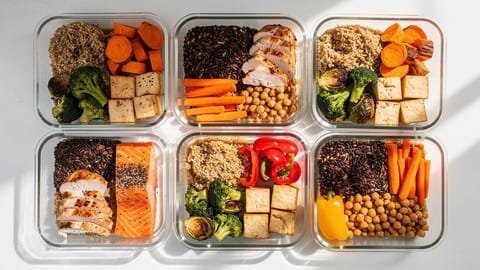
Batch cooking for beginners: how to cook once and eat all week
Batch cooking means dedicating a few hours to cooking large quantities of food that you portion and store for the week ahead. It's not the same as meal prep — instead of assembling complete meals, you cook versatile building blocks (grains, proteins, sauces, roasted vegetables) that mix and match into different dishes every night. This guide covers everything you need to start: planning, cooking, storing, and scaling.
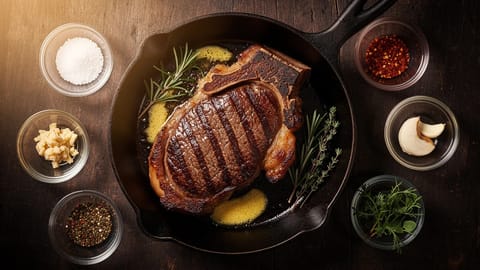
The science of cooking: why your food works the way it does
A practical guide to the chemistry, physics, and biology behind everyday cooking. Covers the Maillard reaction, caramelization, emulsification, fermentation, heat transfer, protein denaturation, and common cooking myths debunked by science.
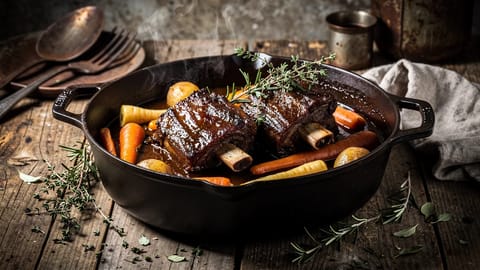
How to braise meat: the complete guide to low and slow cooking
Everything you need to braise meat at home. Covers the best cuts for braising, step-by-step technique, braising liquids, equipment, and global traditions from French daube to Korean galbi-jjim — with times, temperatures, and troubleshooting.
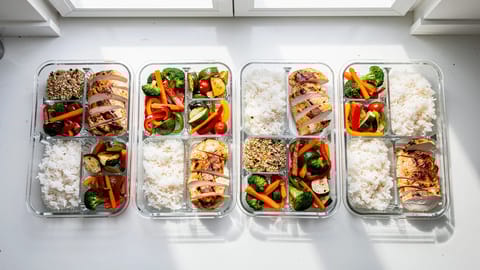
How to meal prep: a practical guide for beginners
Meal prep means dedicating about 2 hours on a Sunday to planning, cooking, and portioning complete meals for the week ahead. Unlike batch cooking, which produces versatile components you mix and match, meal prep gives you finished meals ready to grab and eat. This guide covers everything from equipment and shopping lists to a minute-by-minute prep day timeline and safe storage practices.
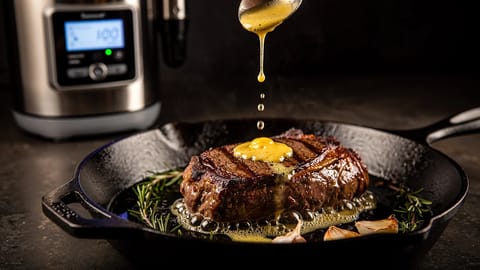
Sous Vide
A precision cooking method where food is vacuum-sealed and cooked in a temperature-controlled water bath for perfectly even results.
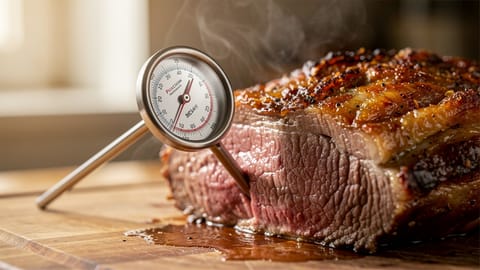
Carryover Cooking
The phenomenon where food continues to cook after being removed from heat, as residual thermal energy from the exterior migrates to the cooler interior.
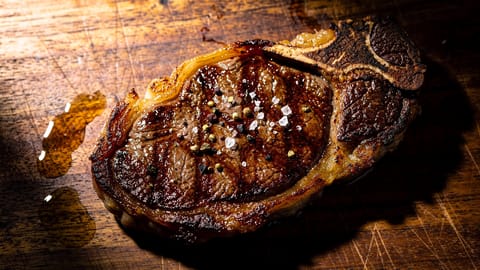
Maillard Reaction
The chemical reaction between amino acids and sugars that occurs when food is heated, creating the brown color and complex flavors of seared meat, toasted bread, and roasted coffee.