 Bastien
Bench Scraper
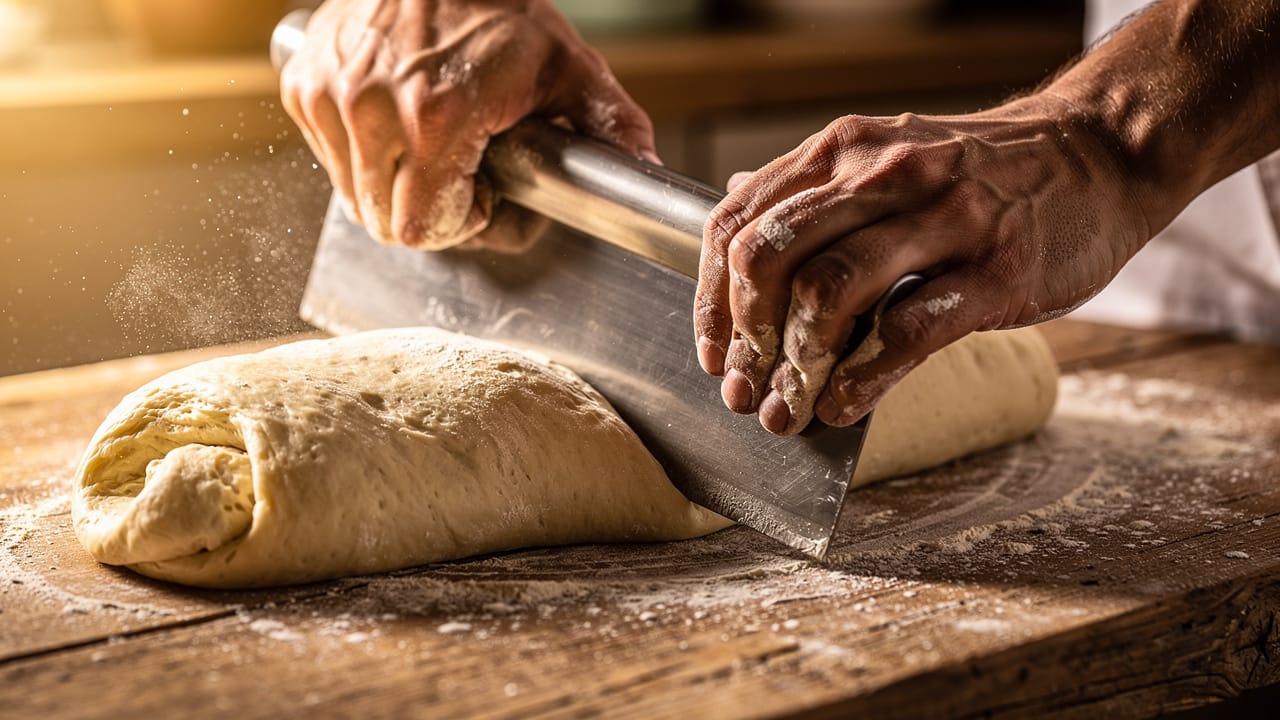
A flat metal or plastic blade used to cut, portion, and handle dough — and to keep your work surface clean.
A bench scraper (also called a dough scraper, bench knife, or pastry scraper) is a flat rectangular blade with a handle — one of the cheapest yet most useful tools in any kitchen. It costs a few dollars and does a dozen jobs that no other tool handles as well.
Bakers reach for a bench scraper constantly: dividing dough, shaping loaves, cleaning the work surface, and transferring ingredients. But its usefulness extends far beyond bread — a bench scraper belongs next to your kitchen scale and cutting board as an everyday tool.
What a bench scraper does
| Task | How the bench scraper helps |
|---|---|
| Dividing dough | Clean, decisive cuts that do not tear gluten strands — preserving structure |
| Portioning | Cut dough into equal pieces by weight for uniform dough balls |
| Shaping bread | Scoop and flip sticky doughs without adding excess flour |
| Folding | Assist stretch-and-fold during bulk fermentation |
| Cleaning | Scrape dried dough, flour, and sticky residue off your work surface |
| Transferring | Scoop chopped vegetables, herbs, or dough from board to bowl in one motion |
| Gathering | Collect scraps and crumbs — faster than wiping |
| Crushing | Smash garlic cloves or crack peppercorns with the flat side |
| Leveling | Smooth batter in a pan or level off dry ingredients |
The bench scraper is an extension of your hand. Once you have one, you use it constantly — and you notice immediately when it is not there.
Metal vs. plastic bench scrapers
| Feature | Metal (bench knife) | Plastic (bowl scraper / corne) |
|---|---|---|
| Material | Stainless steel blade, wood or plastic handle | Flexible food-grade plastic |
| Rigidity | Rigid — holds its shape | Flexible — conforms to curved surfaces |
| Best for | Cutting dough, scraping flat surfaces, portioning, transferring | Scraping bowls clean, handling wet/sticky doughs, folding |
| Edge | Sharp enough to cut cleanly | Rounded, will not cut |
| Durability | Lasts a lifetime | Wears out over years, cheap to replace |
| Price | $5–15 | $2–5 |
Own both. They serve different purposes and together cover every dough-handling situation. The metal bench scraper lives on the countertop; the plastic bowl scraper lives near your mixing bowls.
The bench scraper in bread baking
If you bake bread, a bench scraper is essential equipment — on the same level as a kitchen scale and a thermometer.
Dividing and portioning
After bulk fermentation, you need to divide the dough into pieces. A bench scraper makes clean cuts in one decisive motion — no sawing, no tearing, no deflating. For uniform results, weigh each piece on your scale.
Handling high-hydration doughs
High-hydration doughs (70%+) are sticky and difficult to handle by hand alone. The bench scraper lets you scoop, turn, and fold the dough without adding extra flour — which would tighten the crumb and reduce the open, airy texture you are working to achieve.
Pre-shaping and shaping
During pre-shaping, the bench scraper drags the dough across an unfloured surface. The friction between the dough and the counter creates surface tension, which gives the loaf structure. This is harder to do with your hands alone.
During stretch and fold
When performing stretch-and-fold sets during bulk fermentation, the plastic bowl scraper helps you release the dough from the container, fold it over itself, and return it cleanly — all without degassing.
The bench scraper beyond bread
Pastry
- Cutting butter into flour — for pie dough and biscuits, chop cold butter with the bench scraper instead of using your warm hands (which melt the butter)
- Transferring pastry — slide the scraper under rolled pie dough to lift and transfer it to the pan without tearing
- Cleaning up — pastry work creates flour mess; the bench scraper cleans a countertop in seconds
General cooking
- Transferring chopped ingredients — scoop diced onions, minced garlic, or sliced vegetables from cutting board to pan in one motion. Faster and safer than using the knife blade.
- Gathering scraps — clean the board of peels, stems, and scraps
- Crushing garlic — lay the flat blade over a clove and press down, like using the side of a knife
- Scooping — use as a large, flat spatula for moving anything from surface to bowl
Meal prep
During meal prep sessions, the bench scraper becomes your constant companion — scoop, transfer, clean, repeat. It keeps your workspace clear and your cutting board ready for the next ingredient.
What to look for when buying
Metal bench scraper
| Feature | What to look for |
|---|---|
| Blade width | 15 cm / 6 inches is standard — wide enough to be useful |
| Blade height | 10–12 cm / 4–5 inches — tall enough to scoop effectively |
| Handle | Comfortable grip — rolled metal edge, wood, or rubber |
| Edge | Straight and slightly sharp — not razor-sharp, just enough to cut dough cleanly |
| Weight | Moderate — too light feels flimsy, too heavy is tiring |
| Markings | Some have ruler markings — useful for measuring dough width |
Plastic bowl scraper
| Feature | What to look for |
|---|---|
| Flexibility | Should bend to conform to bowl curves, but not be floppy |
| Shape | D-shaped with one flat edge and one curved edge |
| Size | Fits comfortably in your hand |
| Thickness | Thick enough to be rigid when scraping, thin enough to flex |
| Material | Food-grade, BPA-free, heat-resistant |
Good bench scrapers are simple tools — do not overthink it. A $5–8 stainless steel bench scraper with a comfortable handle will last decades.
Care and maintenance
- Metal: hand wash and dry immediately — stainless steel resists rust but is not immune. Do not put in the dishwasher if it has a wood handle.
- Plastic: dishwasher-safe in most cases. Replace when the edge wears thin or cracks.
- Storage: keep the metal scraper on your counter or in a knife block slot. Keep the plastic one in your utensil drawer or next to your mixing bowls.
Bench scraper in Fond
Fond's cookware detection recognizes when a recipe calls for a bench scraper, typically in bread and pastry recipes. When you see the bench scraper listed in cookware, have both your metal and plastic scrapers ready as part of your mise en place.
Frequently asked questions
Can I use a knife instead of a bench scraper?
For cutting dough, a sharp knife works in a pinch, but it drags and tears more than a bench scraper. For scooping, transferring, and cleaning — the tasks where a bench scraper really shines — a knife is not a good substitute. The bench scraper's flat, wide blade is designed for these jobs.
Do I need both metal and plastic?
You can get by with just a metal bench scraper for most tasks. But if you bake bread regularly, a plastic bowl scraper makes handling wet doughs and scraping bowls much easier. At $2–5, the plastic scraper is worth adding.
What size bench scraper should I buy?
Standard is 15 × 10 cm (6 × 4 inches). This fits most hands and covers enough surface area to be useful for scooping and cleaning. Smaller scrapers exist but are less versatile.
Is a bench scraper only for baking?
No. Cooks who never bake use bench scrapers daily for transferring chopped ingredients, cleaning cutting boards, and general kitchen work. It is one of the most versatile tools in the kitchen for its price.
Cook smarter
Join the waitlist for Fond. Recipes, meal plans, and a little AI sous-chef that learns how you cook.
Related terms
Bulk Fermentation
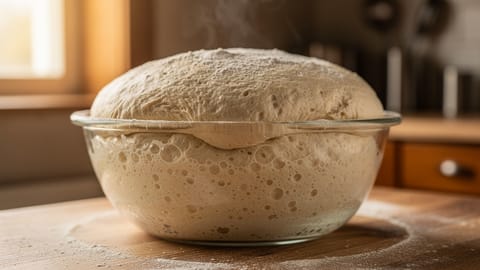
The primary rise of bread dough after mixing, where yeast or starter ferments the dough as a single mass before shaping.
Dough Ball
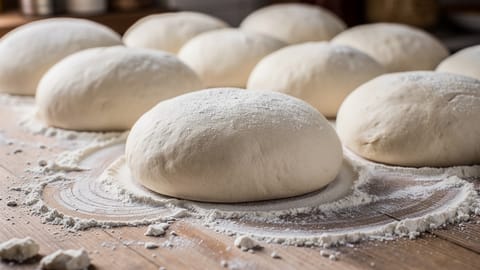
An individual portion of pizza dough, shaped into a smooth sphere after bulk fermentation. Each dough ball becomes one pizza, with typical weights ranging from 200-500g depending on the style.
Gluten Development
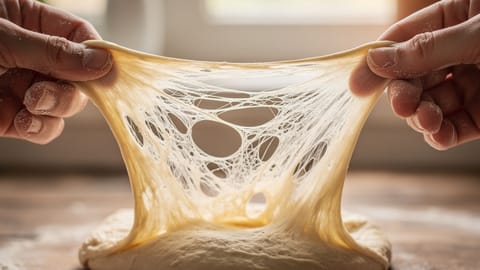
The process of building a protein network in dough through kneading, folding, or time, creating the structure that gives bread its chew and allows it to rise.
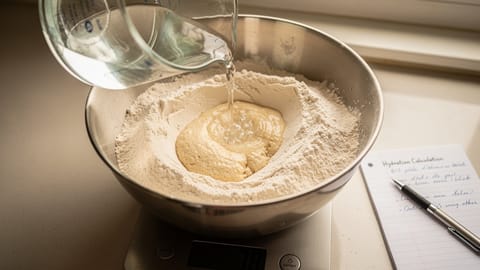
Hydration (Bread)
The ratio of water to flour in bread dough, expressed as a percentage. Higher hydration means wetter, more open-crumb bread.
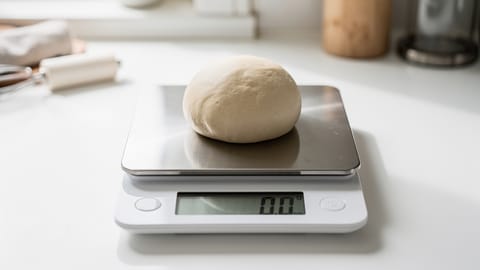
Kitchen Scale
A digital scale for measuring ingredients by weight — far more accurate than cups and spoons, especially in baking.
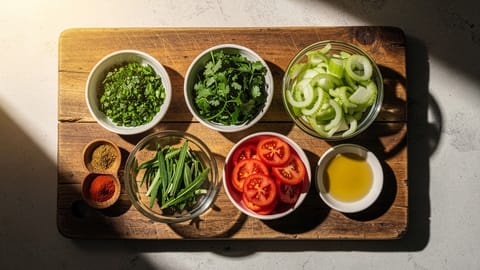
Mise en Place
The practice of preparing and organizing all ingredients before cooking — everything in its place.