 Bastien
Emulsification
Combining two liquids that normally don't mix (like oil and water) into a stable, uniform mixture.
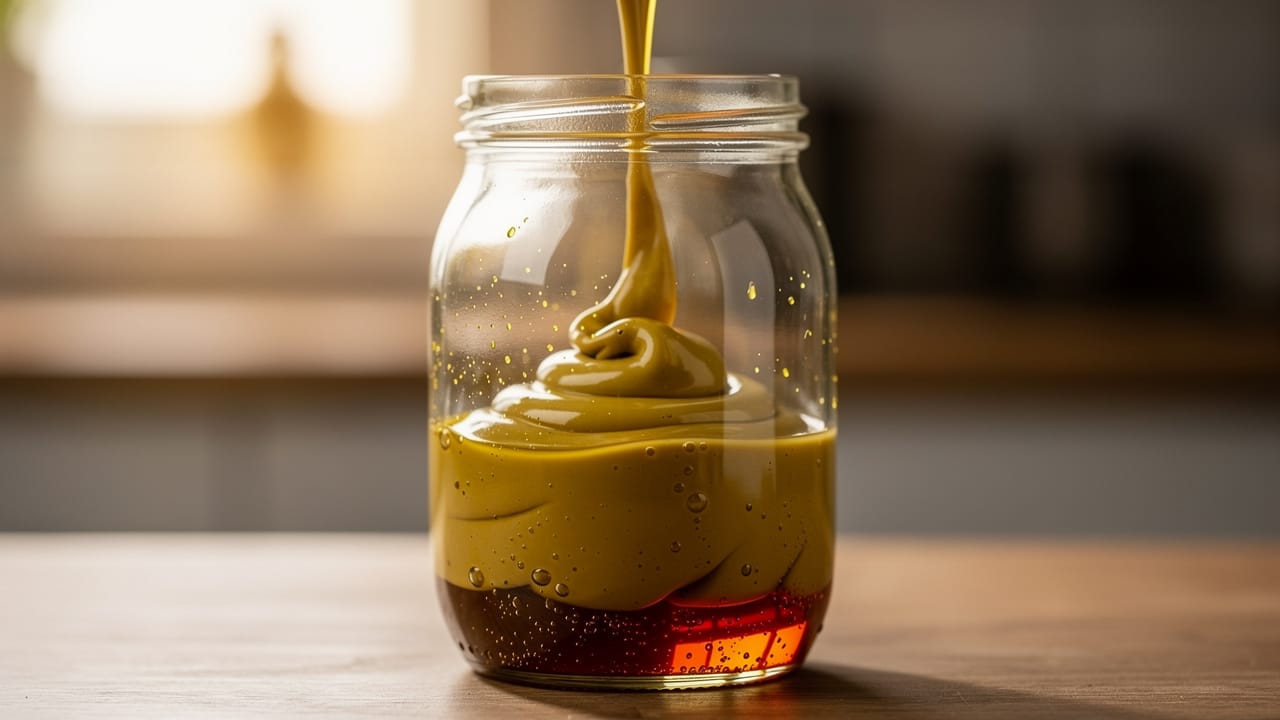
Emulsification is the process of combining two liquids that normally do not mix — typically oil and water — into a stable, uniform mixture. It is the science behind vinaigrettes, mayonnaise, hollandaise, pan sauces, and dozens of other preparations that make food taste rich, creamy, and cohesive.
Understanding emulsification gives you control over sauce-making at every level, from a simple salad dressing to a restaurant-quality beurre blanc.
How emulsification works
Oil and water naturally repel each other. If you pour oil into water and shake, you get temporary small droplets that quickly separate back into two layers. An emulsifier — a molecule with one end that attracts water and another that attracts oil — sits at the boundary between the droplets and the surrounding liquid, preventing them from merging back together.
The physical process requires three things:
- Energy — whisking, blending, or shaking to break one liquid into tiny droplets
- An emulsifier — to coat the droplets and prevent them from recombining
- Proper technique — adding the dispersed phase (usually oil) slowly so droplets stay small
Types of emulsions
| Type | Structure | Examples |
|---|---|---|
| Oil-in-water (O/W) | Tiny oil droplets suspended in water | Vinaigrette, mayonnaise, milk, pan sauce, hollandaise |
| Water-in-oil (W/O) | Tiny water droplets suspended in oil | Butter, margarine, chocolate ganache |
Most cooking emulsions are oil-in-water. The continuous phase (water or aqueous liquid) surrounds many tiny oil droplets.
Common emulsifiers in cooking
| Emulsifier | Found in | Why it works | Best for |
|---|---|---|---|
| Lecithin | Egg yolks | Phospholipid with dual water/oil affinity | Mayonnaise, hollandaise, custards |
| Mucilage | Mustard | Plant polysaccharide that thickens and stabilizes | Vinaigrettes, dressings |
| Casein | Dairy (cream, cheese) | Protein that coats fat droplets | Cream sauces, cheese sauces |
| Starch | Flour, cornstarch, pasta water | Thickens the continuous phase, trapping droplets | Roux-based sauces, pasta sauces |
| Gelatin | Stock | Protein that gels and stabilizes | Pan sauces, jus, demi-glace |
| Allicin compounds | Garlic | Sulfur compounds with emulsifying properties | Aioli, garlic sauces |
This is why homemade stock makes better pan sauces than store-bought broth — the gelatin from bones acts as a natural emulsifier, giving the sauce body and sheen.
Emulsified sauces: a practical guide
Vinaigrette
The simplest emulsion. Ratio: 3 parts oil to 1 part acid (vinegar or citrus).
- Combine acid, salt, and mustard (the emulsifier) in a bowl.
- Whisk constantly while adding oil in a thin stream.
- The mustard stabilizes the emulsion, but vinaigrettes are temporary emulsions — they will eventually separate. Whisk or shake before serving.
Mayonnaise
A permanent emulsion stabilized by egg yolk lecithin. Have your mise en place ready.
- Whisk 1 egg yolk with 1 tsp mustard and 1 tsp lemon juice until combined.
- Add 200 ml neutral oil drop by drop at first, whisking constantly. After the first 60 ml, you can increase to a thin stream.
- Season with salt and additional acid to taste.
- The finished mayonnaise should be thick, glossy, and hold its shape.
The critical point is the first 60 ml of oil — add it too fast and the emulsion never forms. A food processor or immersion blender makes this nearly foolproof.
Hollandaise
A warm emulsion of egg yolks and clarified butter. This is also a tempering exercise — the yolks must stay below 65°C to avoid curdling.
- Whisk 3 egg yolks with 1 tbsp water over a double boiler until thick and pale.
- Remove from heat and slowly drizzle in 170g melted clarified butter, whisking constantly.
- Season with lemon juice and salt.
- Keep warm (not hot) until serving. Use an instant-read thermometer — above 70°C and the sauce will curdle.
Pan sauce
A quick emulsion made by deglazing a hot pan after searing.
- Remove the seared protein, pour off excess fat.
- Deglaze with wine or stock, scraping up the fond.
- Reduce by half, then remove from heat.
- Swirl in cold butter, one piece at a time. The butter's casein and water emulsify with the reduced liquid, creating a glossy, velvety sauce.
Why emulsions break and how to fix them
| Problem | Cause | Fix |
|---|---|---|
| Oil pools on surface | Added oil too fast | Start over: whisk broken sauce into a fresh yolk, drop by drop |
| Grainy or curdled | Temperature too high (hollandaise) | Add 1 tbsp ice water and whisk vigorously |
| Sauce is thin | Not enough emulsifier or insufficient whisking | Add a tsp of mustard and re-whisk, or use an immersion blender |
| Vinaigrette separates | Normal — temporary emulsion | Just shake before serving; add more mustard for longer stability |
| Pan sauce is greasy | Not enough reduction or too much fat | Return to heat, add more stock, reduce further |
The universal rescue: place a fresh egg yolk (or a tablespoon of water for non-egg sauces) in a clean bowl and very slowly whisk the broken sauce into it. This re-establishes the emulsion.
Tips for stable emulsions
Temperature matters. Ingredients at room temperature emulsify more easily than cold ones. For hollandaise and béarnaise, temperature control is everything — too cold and the butter solidifies, too hot and the eggs curdle.
Add the dispersed phase slowly. The most common cause of broken emulsions is adding oil too quickly. Start drop by drop, then increase to a thin stream only after the emulsion has visibly formed.
More emulsifier = more stability. An extra half-yolk or a teaspoon of mustard provides insurance. In pan sauces, using gelatin-rich stock instead of water or thin broth makes the emulsion naturally more stable.
Mechanical help. An immersion blender, food processor, or stand blender creates smaller, more uniform droplets than hand whisking. This produces more stable emulsions with less technique.
Emulsification in Fond
Fond's Cook mode guides you through emulsified sauces with step-by-step instructions and timing. Recipes that require tempering egg yolks or deglazing pans include technique tips so you get a stable, glossy result.
Frequently asked questions
What is the difference between a temporary and a permanent emulsion?
A temporary emulsion (vinaigrette) separates within minutes to hours because it lacks a strong emulsifier. A permanent emulsion (mayonnaise, hollandaise) stays stable for days because lecithin from egg yolks coats the oil droplets thoroughly.
Can I make mayonnaise without eggs?
Yes. Aquafaba (chickpea liquid) contains proteins and starches that act as emulsifiers. Blend aquafaba with oil, acid, and salt using the same slow-addition technique. The result is slightly lighter than egg-based mayo.
Why does my hollandaise keep breaking?
Two common causes: the butter was too hot (melts the yolk emulsion) or you added butter too fast. Keep the sauce between 55-65°C and add butter in a thin stream. If it breaks, whisk 1 tbsp ice water in vigorously.
Does the type of oil matter?
For vinaigrettes and mayonnaise, neutral oils (canola, grapeseed) let other flavors come through. Olive oil adds flavor but can turn bitter when blended aggressively in a food processor — hand-whisking or adding olive oil at the end avoids this.
Cook smarter
Join the waitlist for Fond. Recipes, meal plans, and a little AI sous-chef that learns how you cook.
Related terms
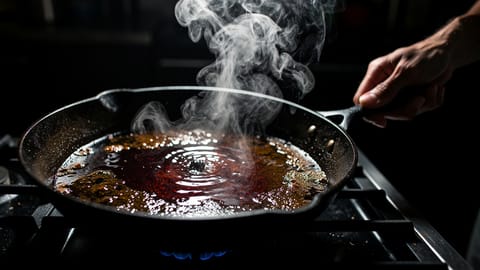
Deglazing
Adding liquid to a hot pan to dissolve the caramelized bits stuck to the bottom, creating a flavorful base for sauces.
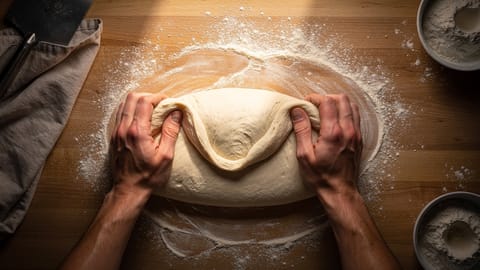
Folding
A gentle mixing technique that preserves air in delicate batters by cutting through and turning the mixture rather than stirring.
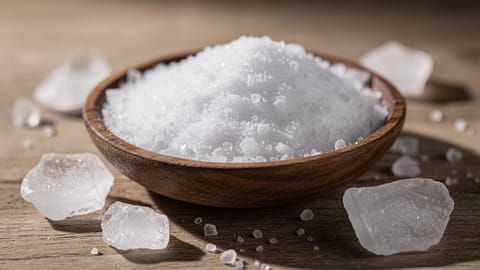
Kosher Salt
A coarse-grained salt with large, flat crystals that's preferred by chefs for seasoning because it's easy to pinch, dissolves well, and has no additives.
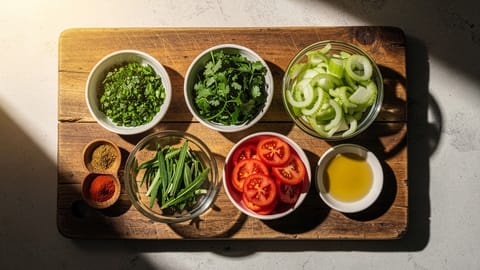
Mise en Place
The practice of preparing and organizing all ingredients before cooking — everything in its place.
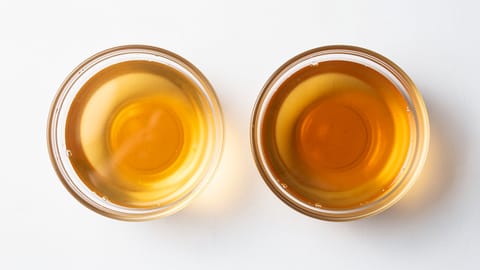
Stock vs. Broth
Stock is made from bones and connective tissue for body and richness; broth is made from meat for direct flavor. Both have different culinary uses.
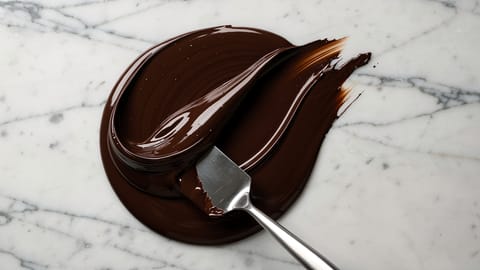
Tempering
Gradually adjusting the temperature of a sensitive ingredient to prevent curdling (eggs) or seizing (chocolate).