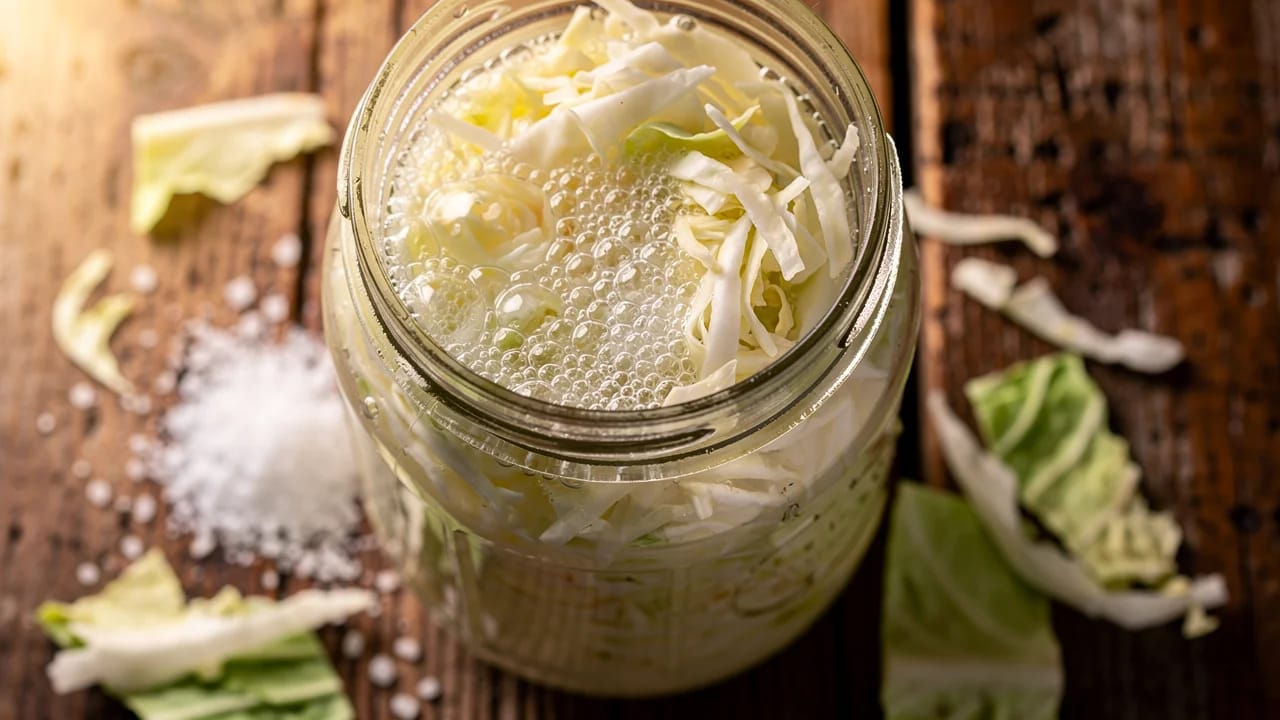
 Bastien
Lacto-Fermentation
A preservation method where lactic acid bacteria convert sugars into lactic acid, creating the tang in sauerkraut, kimchi, pickles, and yogurt — no vinegar required.
Lacto-fermentation is a type of fermentation where lactic acid bacteria (LAB) convert sugars into lactic acid. The process is responsible for the tang in sauerkraut, kimchi, yogurt, sourdough bread, and traditional salt-brined pickles. Despite the name, lacto-fermentation has nothing to do with lactose or dairy — the "lacto" comes from Lactobacillus, the dominant genus of bacteria involved.
For home cooks, lacto-fermentation is the most accessible and forgiving form of food preservation. The bacteria you need are already present on vegetables, in milk, and in flour. You don't need special cultures or equipment: just salt, a jar, and the right conditions.
How lacto-fermentation works
The process follows a predictable sequence:
The whole process is anaerobic — it happens in the absence of oxygen. That's why keeping food submerged under brine is the fundamental rule of lacto-fermentation.
Types of lactic acid bacteria
Not all LAB behave the same way:
In vegetable ferments, the process typically starts with heterofermentative bacteria (Leuconostoc mesenteroides), which produce CO₂ and an initial acidity. As the pH drops, homofermentative species (Lactobacillus plantarum) take over and drive the pH down further. This succession is why sauerkraut changes character over time. The first week tastes different from the third week.
Salt ratios for lacto-fermentation
Salt concentration is the single most critical variable. It determines which bacteria dominate, how fast fermentation proceeds, and the final texture.
Always measure salt by weight with a kitchen scale. A tablespoon of fine sea salt weighs roughly twice as much as a tablespoon of kosher salt, so measuring by volume leads to inconsistent results.
Tip: For brine pickles, dissolve the salt in room-temperature water before pouring over vegetables. For dry-salted ferments (sauerkraut, kimchi), sprinkle salt directly on the shredded vegetables and massage until they release their own brine.
Lacto-fermentation vs. vinegar pickling
These two preservation methods are often confused, but they work through fundamentally different mechanisms:
Lacto-fermentation relies on live bacteria to produce acid in situ. The acid develops gradually over days to weeks, producing complex flavors, beneficial probiotics, and a layered tang. No vinegar is added.
Vinegar pickling preserves food by adding acetic acid (vinegar) from an external source. It's fast (minutes to hours), but the flavor is one-dimensional and there are no live cultures in the final product.
The difference matters for health: lacto-fermented foods contain billions of live beneficial bacteria per serving, while vinegar pickles are essentially sterile. For more on both methods, see our guide to pickling vegetables.
Common lacto-fermented foods
| Food | What ferments | LAB involved | Time |
|---|---|---|---|
| Sauerkraut | Shredded cabbage + salt | L. mesenteroides → L. plantarum | 1-6 weeks |
| Kimchi | Napa cabbage + salt + chili | L. mesenteroides, L. sakei | 1-4 weeks |
| Salt-brined pickles | Cucumbers in brine | L. plantarum, L. brevis | 1-4 weeks |
| Yogurt | Milk + starter culture | L. bulgaricus, S. thermophilus | 4-12 hours |
| Sourdough | Flour + water | L. sanfranciscensis and others | Ongoing |
| Curtido | Cabbage + carrots + onion | Similar to sauerkraut | 1-7 days |
| Preserved lemons | Lemons + salt | L. plantarum and others | 3-4 weeks |
Safety of lacto-fermentation
Lacto-fermentation is one of the safest food preservation methods because the acid produced by LAB actively inhibits pathogens. The key safety principles:
- Correct salt concentration. 2-5% depending on the method. Too little salt allows harmful bacteria to grow before LAB can acidify the environment
- Anaerobic conditions. Food must stay submerged under brine. Surfaces exposed to air grow mold
- Clean equipment. Not sterile, just clean. Hot soapy water is sufficient
- Non-iodized salt. Iodine inhibits LAB and can prevent fermentation from starting
- Non-chlorinated water. Chlorine kills bacteria. Use filtered water or let tap water sit uncovered for 24 hours
Once the pH drops below 4.6 (which happens within the first few days of a properly salted ferment), the food is microbiologically safe. If you're uncertain, a pH meter or strips provide objective confirmation.
Note: Trust your senses. Lacto-fermented food smells tangy, sour, and pleasant (think pickles, sauerkraut, or yogurt). If something smells putrid or rotten, discard it. Spoiled ferments are obvious.
Health benefits
Research on fermented foods and gut health has expanded significantly. The current evidence suggests:
- Probiotic delivery. Lacto-fermented foods contain diverse strains of beneficial bacteria that reach the gut alive (unlike probiotics in pill form, which may not survive stomach acid as effectively)
- Improved digestion. The bacteria partially break down food during fermentation, making nutrients more bioavailable. Lactose-intolerant people can often eat yogurt because LAB have already consumed much of the lactose
- Immune function. Roughly 70% of the immune system resides in the gut. A diverse gut microbiome, supported by fermented food intake, is associated with stronger immune response
- Nutrient synthesis. LAB produce B vitamins and vitamin K during fermentation
A 2021 Stanford study found that a diet high in fermented foods increased gut microbiome diversity and reduced inflammatory markers more effectively than a high-fiber diet alone.
Getting started
If you're new to lacto-fermentation, sauerkraut is the ideal starting project: one ingredient (cabbage), one preservative (salt), and almost nothing can go wrong if you maintain the right salt ratio and keep things submerged. Our fermentation beginners guide walks through the process step by step.
From there, lacto-fermented pickles are a natural next step, same principles, but using a brine instead of dry-salting.
- Lacto-fermentation uses lactic acid bacteria to preserve food, no vinegar needed
- Salt (2-5%) creates the selective environment that lets LAB dominate
- Food must stay submerged under brine (anaerobic conditions)
- The process is self-regulating: acid production stops pathogen growth
- Lacto-fermented foods contain live probiotics; vinegar pickles don't
- Start with sauerkraut. It's the simplest and most forgiving project
Sources
Cook smarter
Join the waitlist for Fond. Recipes, meal plans, and a little AI sous-chef that learns how you cook.
Related terms
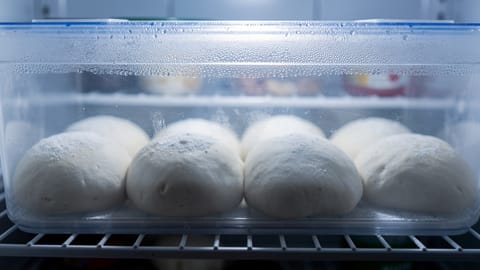
Cold Fermentation
A technique of retarding dough in the refrigerator (2-5°C) for 24-72 hours, slowing yeast activity while allowing enzymes to develop deeper flavors and better texture.
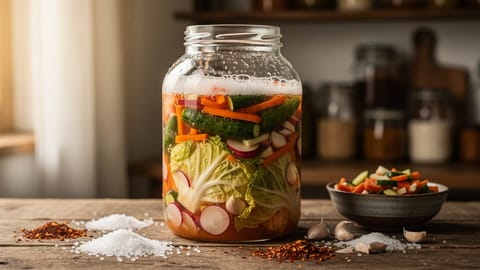
Fermentation
A metabolic process where microorganisms convert sugars into acids, gases, or alcohol — the basis of bread, yogurt, kimchi, and beer.
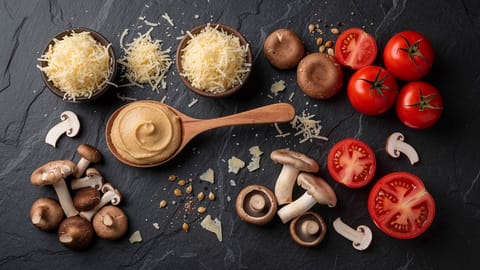
Umami
The fifth basic taste — a savory, meaty depth found in aged cheeses, soy sauce, mushrooms, and fermented foods.