 Bastien
Meal Prep
Preparing meals or meal components in advance, typically for the week ahead, to save time and reduce daily cooking effort.
Meal prep is the practice of planning, cooking, and portioning meals or meal components ahead of time — typically on a single day for the entire week. It transforms cooking from a daily chore into a once-a-week effort, saving time, reducing food waste, and making healthier eating the path of least resistance.
The concept is straightforward: spend 2-3 hours cooking on Sunday (or whatever day works), and you have ready-to-eat or ready-to-finish meals for the rest of the week. No more "what's for dinner?" decision fatigue, no more takeout by default, no more wilting vegetables forgotten in the back of the fridge.
Types of meal prep
Full meal prep
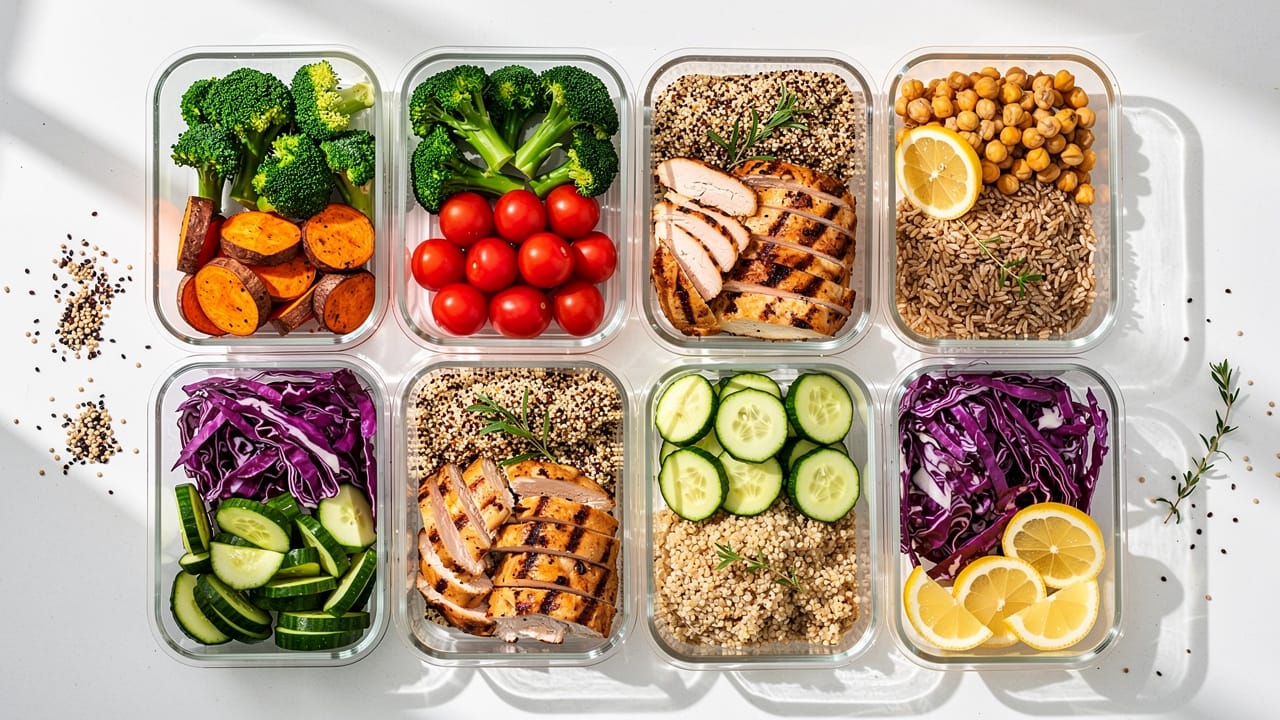
Cook complete meals, portion them into containers, and refrigerate or freeze. This is the most hands-off approach during the week — just grab a container and reheat. Works best for lunches and meals where you don't mind eating the same thing multiple times.
Component prep (building blocks)
Prepare versatile base components that mix and match into different meals throughout the week. This is the most flexible approach and prevents meal-prep fatigue from eating identical meals.
Common building blocks:
- Proteins: Roasted chicken thighs, seared tofu, poached chicken breast, baked salmon
- Grains: Rice, quinoa, farro, couscous
- Vegetables: Blanched broccoli, roasted sweet potatoes, raw salad ingredients
- Sauces and dressings: Vinaigrettes, tahini sauce, chimichurri, peanut sauce
- Basics: Cooked beans, hard-boiled eggs, washed greens
Ingredient prep
Wash, chop, measure, and organize raw ingredients so assembly during the week takes minutes instead of the full cooking time. This is essentially doing your mise en place for the entire week.
Freezer prep
Prepare meals or meal kits designed to be frozen and cooked later — soups, braises, casseroles, marinated proteins, and sauce bases. Freezer prep extends the benefit from one week to one month or more.
How to start meal prepping
Step 1: Plan your meals
Decide what you'll eat for the week. Focus on 3-4 recipes that share ingredients to minimize waste and simplify your shopping list. Don't try to prep every meal — start with lunches or the meals you're most likely to skip or replace with takeout.
Step 2: Make a consolidated shopping list
A single shopping trip with everything you need eliminates midweek grocery runs. Group items by store section so shopping is efficient. Fond generates this automatically from your meal plan.
Step 3: Batch cook strategically
Cook the things that take the longest first. While a protein roasts in the oven, cook grains on the stovetop and blanch vegetables. Layer your cooking to use all burners and the oven simultaneously.
A typical 2-3 hour session:
- Start grains and beans (longest passive cooking)
- Prep and start roasting proteins and vegetables
- Make sauces and dressings while things cook
- Blanch quick vegetables
- Cool everything, portion into containers, label with date
Step 4: Store properly
- Refrigerator: Most prepped food stays good 3-5 days. Put meals for later in the week in the back (coldest spot)
- Freezer: Soups, stews, braises, and cooked grains freeze well for 1-3 months. Cool completely before freezing. Leave headspace in containers for expansion. Wrap tightly to prevent freezer burn
- Glass containers: Better for reheating and storage (no staining, no plastic leaching). Invest in a set with matching lids
- Label everything: Date and contents. You'll forget what's in that container by Wednesday
Best foods for meal prep
| Category | Preps well | Doesn't prep well |
|---|---|---|
| Proteins | Chicken thighs, pulled pork, hard-boiled eggs, baked tofu | Seared fish (gets rubbery), rare steak |
| Grains | Rice, quinoa, farro, pasta (slightly undercook) | — |
| Vegetables | Roasted root vegetables, blanched broccoli, raw salad components | Dressed salads (wilt), avocado (browns) |
| Sauces | Vinaigrettes, marinades, curry sauces, pesto | Cream-based sauces (can separate) |
| Soups/stews | Almost all (often better the next day) | — |
| Baked goods | Muffins, energy balls, breakfast burritos | Crispy items (lose texture) |
Foods that get better with time: Soups, braises, marinated proteins, and bean dishes often taste better after a day or two as flavors meld.
Foods to prep separately: Keep wet and dry components apart. Store grains, proteins, and sauces in separate containers and assemble at meal time. This prevents soggy meals.
Meal prep for different goals
For weight management: Portioning meals in advance removes the "I'll just have a little more" temptation. Use a kitchen scale for accurate portions. Prepping makes calorie tracking straightforward since you know exactly what's in each container.
For busy families: Component prep works best — kids and adults can assemble different combinations from the same base ingredients. Prep snacks (cut fruit, vegetable sticks, hummus portions) alongside meals.
For fitness: Focus on protein-forward components and complex carbohydrates. Use recipe scaling to hit your macro targets. Cook proteins in bulk and portion by weight.
For budget: Meal prep reduces food waste dramatically. Plan meals around what's on sale. Buying whole chickens, dried beans, and seasonal produce in bulk saves money compared to daily shopping.
Common meal prep mistakes
Prepping too much variety. Start with 2-3 recipes, not 7. More recipes mean more ingredients, more cooking time, and more waste if you don't eat everything.
Ignoring texture. Some foods don't reheat well. Crispy items soften, dressed salads wilt, and overcooked pasta turns mushy. Slightly undercook pasta and grains for meal prep — they'll finish when reheated.
Not varying flavors. Eating the same thing five days straight causes meal-prep burnout. Build variety through sauces and toppings: the same chicken and rice becomes four different meals with different sauces.
Skipping the cool-down. Putting hot food directly in the fridge raises the temperature inside, putting other food at risk. Cool containers at room temperature for 30-60 minutes (but don't leave food out more than 2 hours).
No system for eating order. Eat fish and delicate preparations early in the week, heartier stews and soups toward the end. Plan your eating order when you prep.
Meal prep in Fond
Fond's meal planner automates the hardest parts of meal prep. Plan your week's meals, and Fond generates a consolidated shopping list grouped by store section. The recipe scaling feature adjusts portions automatically, and the app tracks what you've prepped so you know what to eat first. When recipes share ingredients, Fond highlights the overlap so you buy the right total quantity.
Frequently asked questions
How long does meal-prepped food last?
Most refrigerated meal prep stays good for 3-5 days. Cooked proteins and grains are safe for 3-4 days. Raw prepped vegetables (washed and cut) last 4-5 days. If you prep on Sunday, plan to eat the most perishable items early in the week and save heartier dishes for Thursday-Friday.
Is meal prep worth the time?
The math works out strongly in favor. A 2-3 hour prep session replaces 5-7 individual cooking sessions of 30-60 minutes each. You also eliminate daily cleanup, daily decision-making, and midweek grocery trips. Most people who try meal prep consistently for 3-4 weeks don't go back.
What containers are best for meal prep?
Glass containers with snap-lock lids are the gold standard — microwave-safe, dishwasher-safe, don't stain, and last for years. Get multiple sizes: large for full meals, medium for grains and proteins, small for sauces and dressings.
Can I meal prep if I don't like reheated food?
Yes — use the component prep approach. Prepare raw and cooked components separately, then assemble fresh meals each day. Grain bowls, salads, wraps, and stir-fries can be assembled in under 5 minutes from prepped components.
Cook smarter
Join the waitlist for Fond. Recipes, meal plans, and a little AI sous-chef that learns how you cook.
Related terms
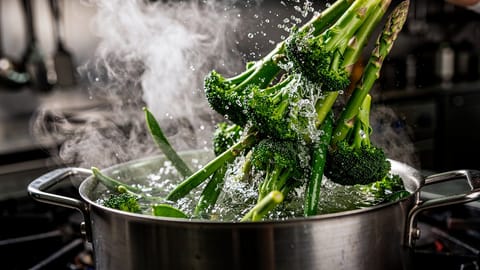
Blanching
Briefly boiling food then plunging it into ice water to stop cooking — used to preserve color, texture, and nutrients.
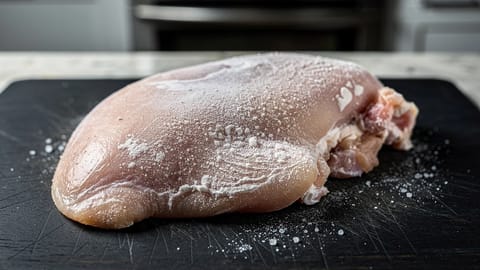
Freezer burn
Freezer burn is the dry, discolored patches that form on frozen food when moisture escapes from the surface into the freezer's air. It's a quality issue, not a safety one. Proper wrapping, airtight containers, and keeping the freezer at 0°F prevent it.
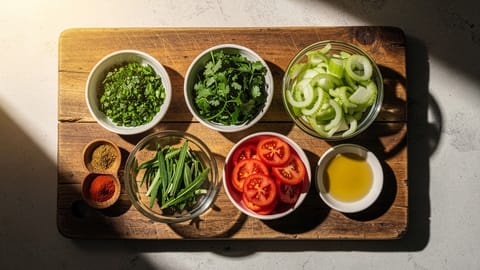
Mise en Place
The practice of preparing and organizing all ingredients before cooking — everything in its place.
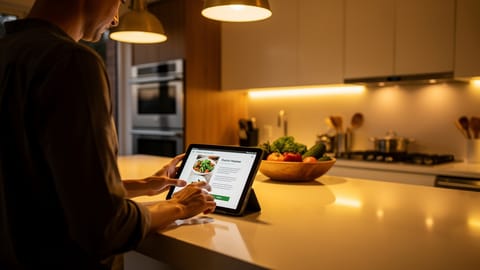
Recipe Manager
Software for storing, organizing, and accessing recipes digitally — replacing physical cookbooks, bookmarks, and scattered notes with a searchable, scalable collection.
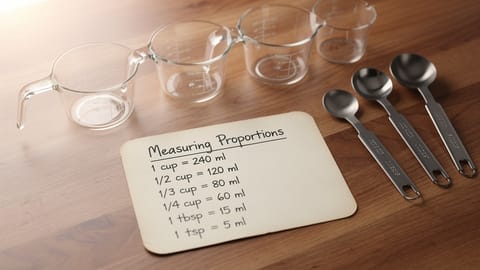
Recipe Scaling
Adjusting ingredient quantities in a recipe to serve more or fewer people while maintaining correct proportions.
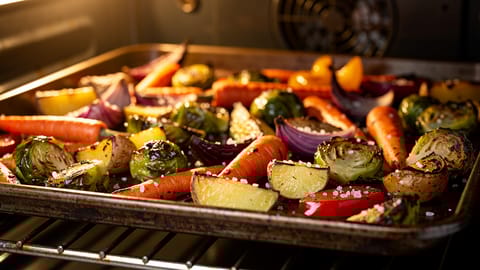
Roasting
Dry-heat oven cooking method that caramelizes the exterior while keeping the interior moist and tender.
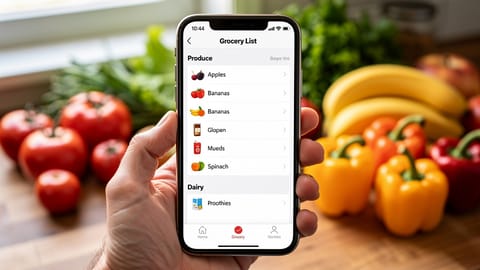
Smart Shopping List
An automatically generated grocery list that combines ingredients from multiple recipes, merges duplicates, and organizes by store aisle.
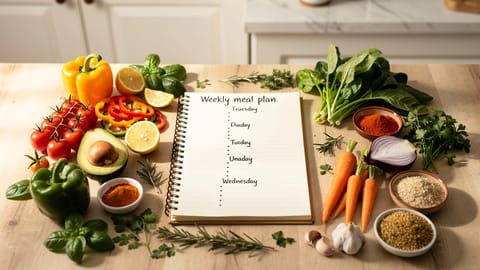
How to meal plan using your recipe collection (a system that sticks)
A realistic approach to weekly meal planning built around recipes you already have. Covers picking recipes, building a flexible weekly template, generating shopping lists, and avoiding the common traps that make people quit.
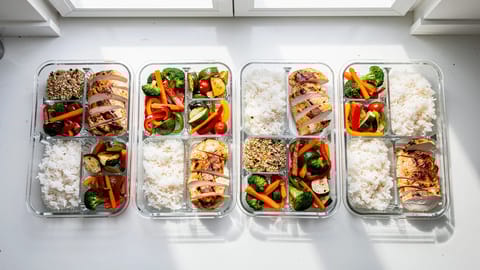
How to meal prep: a practical guide for beginners
Meal prep means dedicating about 2 hours on a Sunday to planning, cooking, and portioning complete meals for the week ahead. Unlike batch cooking, which produces versatile components you mix and match, meal prep gives you finished meals ready to grab and eat. This guide covers everything from equipment and shopping lists to a minute-by-minute prep day timeline and safe storage practices.