 Bastien
Roasting
Dry-heat oven cooking method that caramelizes the exterior while keeping the interior moist and tender.
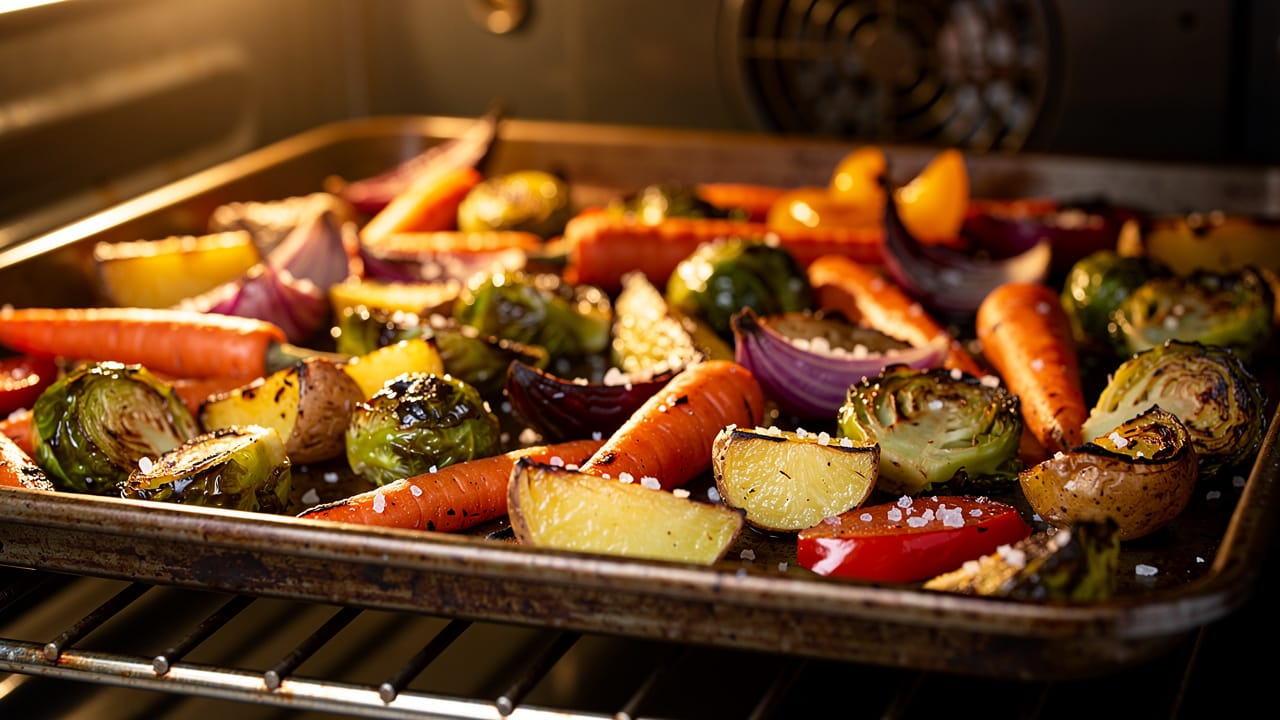
Roasting is a dry-heat cooking method that uses the enclosed heat of an oven to cook food from all sides. Hot air circulates around the food, triggering the Maillard reaction on the exterior — the browning that creates flavor, texture, and aroma — while the interior cooks through radiant heat. Roasting works for everything from a whole chicken to a sheet pan of root vegetables.
Unlike braising, which uses liquid in a covered pot, roasting keeps food uncovered so moisture evaporates from the surface. That evaporation is what concentrates flavors and builds a caramelized crust. The result is food with a deeply browned exterior and a moist, tender interior.
Roasting temperatures
The right oven temperature depends on what you're cooking and the result you want. Higher temperatures brown faster but risk drying out lean proteins. Lower temperatures cook more evenly but produce less surface browning.
| Food | Temperature | Internal target | Notes |
|---|---|---|---|
| Whole chicken | 425°F (220°C) | 165°F (74°C) thigh | High heat for crispy skin |
| Beef roast (prime rib) | 250°F (120°C), then sear | 130°F (54°C) for medium-rare | Low-and-slow for even doneness |
| Beef roast (chuck) | 325°F (160°C) | 200°F (93°C) for tender | Tougher cuts need longer, lower heat |
| Pork loin | 375°F (190°C) | 145°F (63°C) | Medium heat prevents drying |
| Pork shoulder | 300°F (150°C) | 195-205°F (90-96°C) | Low and slow to break down collagen |
| Vegetables | 400-425°F (200-220°C) | — | High heat for caramelization |
| Fish | 400°F (200°C) | 130-140°F (54-60°C) | Quick roasting preserves moisture |
| Lamb leg | 325°F (160°C) | 135°F (57°C) for medium-rare | Rest 15-20 minutes before carving |
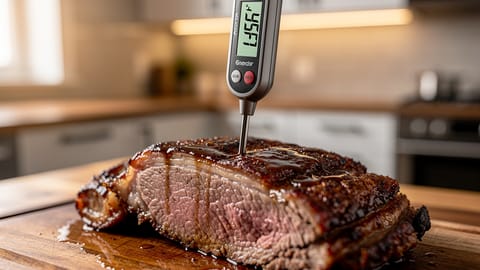
Always verify doneness with an instant-read thermometer. Visual cues are unreliable — a thermometer removes the guesswork.
How roasting works
Roasting relies on three heat transfer mechanisms:
Radiation. The oven walls and heating element emit infrared energy that heats the food's surface directly. This is the primary driver of browning.
Convection. Hot air circulates around the food, transferring heat to all exposed surfaces. Convection ovens use a fan to increase airflow, cooking 25-30% faster than conventional ovens. If using convection, reduce the temperature by 25°F (15°C) from standard recipes.
Conduction. Heat transfers from the roasting pan into the bottom of the food. A roasting rack lifts the food off the pan, preventing the bottom from steaming in its own juices and promoting even browning.
The Maillard reaction kicks in above 280°F (140°C) on the food's surface. Proteins and sugars react to form hundreds of new flavor compounds — the complex, savory, slightly sweet taste that defines well-roasted food. This is why higher temperatures produce better browning: the surface reaches Maillard temperatures faster.
Roasting tips for better results
Pat dry before roasting. Surface moisture creates steam, which slows browning. For poultry, pat the skin completely dry with paper towels. For vegetables, toss in oil and spread in a single layer — wet, crowded vegetables steam instead of roast.
Don't overcrowd the pan. Leave at least an inch of space between pieces. Crowding traps steam and prevents the surface from reaching browning temperature. Use two sheet pans rather than cramming everything onto one.
Preheat the oven fully. Start with a hot oven so the Maillard reaction begins immediately. Putting food into a cold oven adds cook time and produces pale, soft surfaces.
Use a rack for meat. Elevating meat on a wire rack allows air to circulate underneath, preventing the bottom from sitting in liquid and stewing. The result is even browning on all sides.
Season generously. Salt the surface at least 30-60 minutes before roasting (or overnight for large cuts). Salt draws moisture to the surface initially, then it dissolves and is reabsorbed, seasoning the meat deeper and drying the surface for better browning.
Choose the right fat. Coat vegetables and proteins in a high-smoke-point oil — avocado oil, grapeseed, or refined olive oil work well at roasting temperatures. Butter adds flavor but burns above 350°F (175°C), so use it for basting in the last 15-20 minutes or combine with oil.
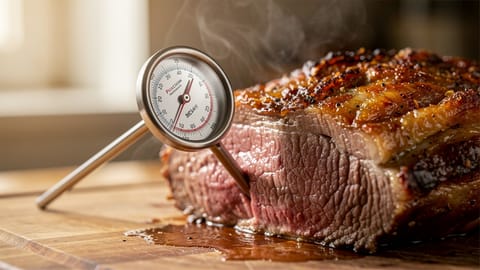
Rest meat after roasting. Resting allows internal juices to redistribute. Without resting, cutting releases those juices onto the cutting board instead of staying in the meat. Rest for 5-10 minutes for smaller cuts, 15-30 minutes for large roasts. Account for carryover cooking — internal temperature rises 5-10°F (3-6°C) after leaving the oven.
Roasting vs baking
Both use dry oven heat, but the terms describe different intentions:
| Roasting | Baking | |
|---|---|---|
| Temperature | Usually 350°F+ (175°C+) | 300-400°F (150-200°C) |
| Food type | Meat, poultry, vegetables | Bread, pastry, casseroles |
| Goal | Browning and caramelization | Even cooking, structure development |
| Covered or open | Usually uncovered | Often covered or enclosed (in a pan) |
| Fat used | Oil coating or basting | Often incorporated into the batter |
In practice, the oven doesn't know the difference. The distinction is about technique and outcome — roasting emphasizes surface browning on whole proteins and vegetables, while baking focuses on structural transformation in doughs and batters.
The reverse sear method
The reverse sear flips the traditional approach for thick cuts of meat (steaks, prime rib, pork chops over 1.5 inches thick):
- Roast low. Place the meat on a rack in a 250°F (120°C) oven until the internal temperature reaches 10-15°F (5-8°C) below your target doneness
- Rest briefly. Let the meat rest for 5-10 minutes while you heat a cast iron skillet over high heat
- Sear hard. One to two minutes per side in a smoking-hot pan with high-smoke-point oil. The dry surface from the low roast produces an intense crust
- Serve immediately. The sear provides the rest period, so you can carve right away
The result is edge-to-edge even doneness with a deeply browned crust — no grey band of overcooked meat between the crust and the pink center.
Roasting in a Dutch oven
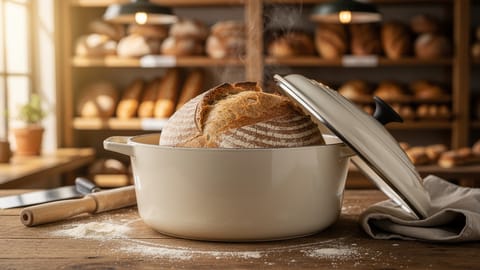
A Dutch oven creates a different roasting environment. With the lid on, it traps steam and functions more like braising. With the lid off, it concentrates heat around the food for intense roasting. Many recipes start covered (to cook through gently) and finish uncovered (to brown the surface).
Roasting in Fond
When a recipe in Fond includes a roasting step, Cook Mode tracks oven temperature, internal temperature targets, and resting time so you don't have to watch the clock. The recipe view highlights which equipment you need — roasting pan, rack, thermometer — during mise en place so everything is ready before you start.
Frequently asked questions
What temperature is best for roasting vegetables?
400-425°F (200-220°C). High heat drives off moisture quickly, allowing the surface to reach Maillard temperatures for caramelization. Cut vegetables into uniform pieces, toss in oil, spread in a single layer, and don't stir for the first 15-20 minutes.
How do I know when roasted meat is done?
Use an instant-read thermometer. Insert it into the thickest part, avoiding bone. Color, cooking time, and "the poke test" are unreliable. Target temperatures: chicken thigh 165°F (74°C), beef medium-rare 130°F (54°C), pork loin 145°F (63°C).
Should I roast with convection?
Convection is excellent for roasting. The fan circulation promotes more even browning and cuts cooking time by 25-30%. Reduce your temperature by 25°F (15°C) from what the recipe calls for, and start checking doneness earlier.
Can I roast frozen meat?
You can, but expect 50% longer cooking time and less surface browning. The exterior steams instead of searing as ice melts. For best results, thaw in the refrigerator overnight before roasting.
Cook smarter
Join the waitlist for Fond. Recipes, meal plans, and a little AI sous-chef that learns how you cook.
Related terms
Carryover Cooking
The phenomenon where food continues to cook after being removed from heat, as residual thermal energy from the exterior migrates to the cooler interior.
Dutch Oven
A heavy, thick-walled cooking pot with a tight-fitting lid — essential for braising, baking bread, and slow cooking.
Instant-Read Thermometer
A kitchen thermometer that gives accurate temperature readings in seconds — the most reliable way to check doneness.
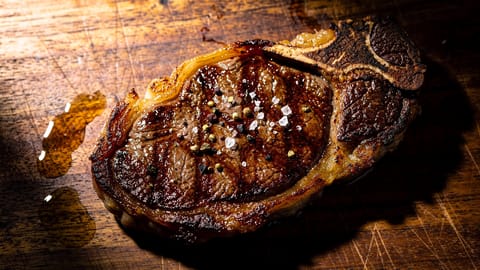
Maillard Reaction
The chemical reaction between amino acids and sugars that occurs when food is heated, creating the brown color and complex flavors of seared meat, toasted bread, and roasted coffee.
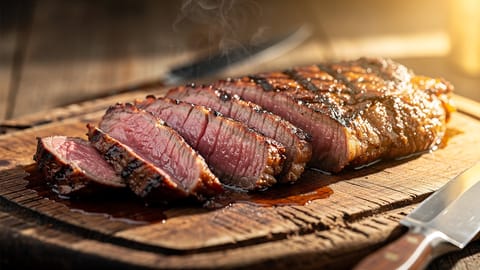
Resting Meat
Letting cooked meat sit before cutting — allows juices to redistribute, resulting in a more flavorful and moist result.
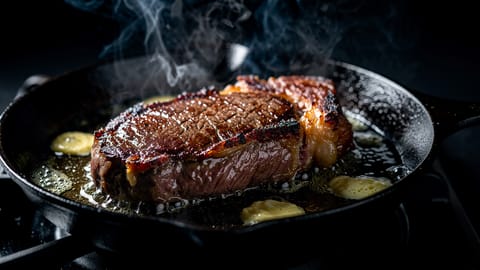
Searing
High-heat browning technique that creates a flavorful Maillard crust on meat, fish, or vegetables.
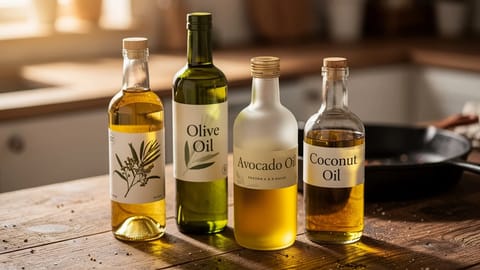
Cooking oil smoke points: the complete guide for every cooking method
Every cooking oil has a temperature limit. Push past it and you get bitter flavors, acrid smoke, and potentially harmful compounds filling your kitchen. That temperature limit is called the smoke point, and knowing it is the difference between a perfect sear and a smoking disaster.
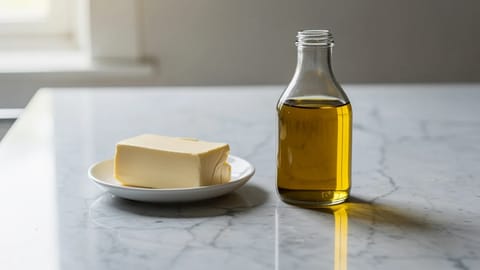
Butter vs oil: when to use each in cooking and baking
Butter and oil each have strengths in the kitchen. Butter brings flavor, browning, and flaky pastry. Oil brings higher heat tolerance, moisture, and a longer shelf life. Knowing when to reach for each — and when to combine them — makes every dish better.