 Bastien
Poolish vs Biga: Complete Guide to Pizza Pre-Ferments
Two Italian pre-ferments, very different results. Poolish (liquid, 100% hydration) makes airy, extensible dough. Biga (stiff, 50-60%) makes chewy, structured crumb. Which one you pick depends on your pizza style.
TL;DR: Poolish vs biga comes down to what you want from your crust. Poolish (100% hydration, liquid) gives you light, airy, extensible dough ideal for Roman al taglio and high-hydration styles. Biga (50-60% hydration, stiff) delivers chewy, structured crumb perfect for Neapolitan and NY-style pizza. Choose based on the texture and flavor profile you want -- or try the hybrid tiga at 70% hydration for a middle ground.
What are pre-ferments?
Pre-ferments (also called preferments or starters) are portions of flour, water, and yeast that ferment separately before being mixed into the final dough. The mechanism is straightforward: giving enzymes and yeast more time to break down starches and develop flavor before that final mix improves complexity, gluten structure, gas retention, digestibility, and shelf life compared to straight dough. The two most common in pizza making are poolish (French origin) and biga (Italian origin).
Unlike sourdough starters that rely on wild yeast and bacteria captured over days, poolish and biga use commercial yeast and ferment in a single overnight session. The tradeoff: less tangy complexity than sourdough, but far more predictable results and no ongoing starter maintenance.
Poolish explained
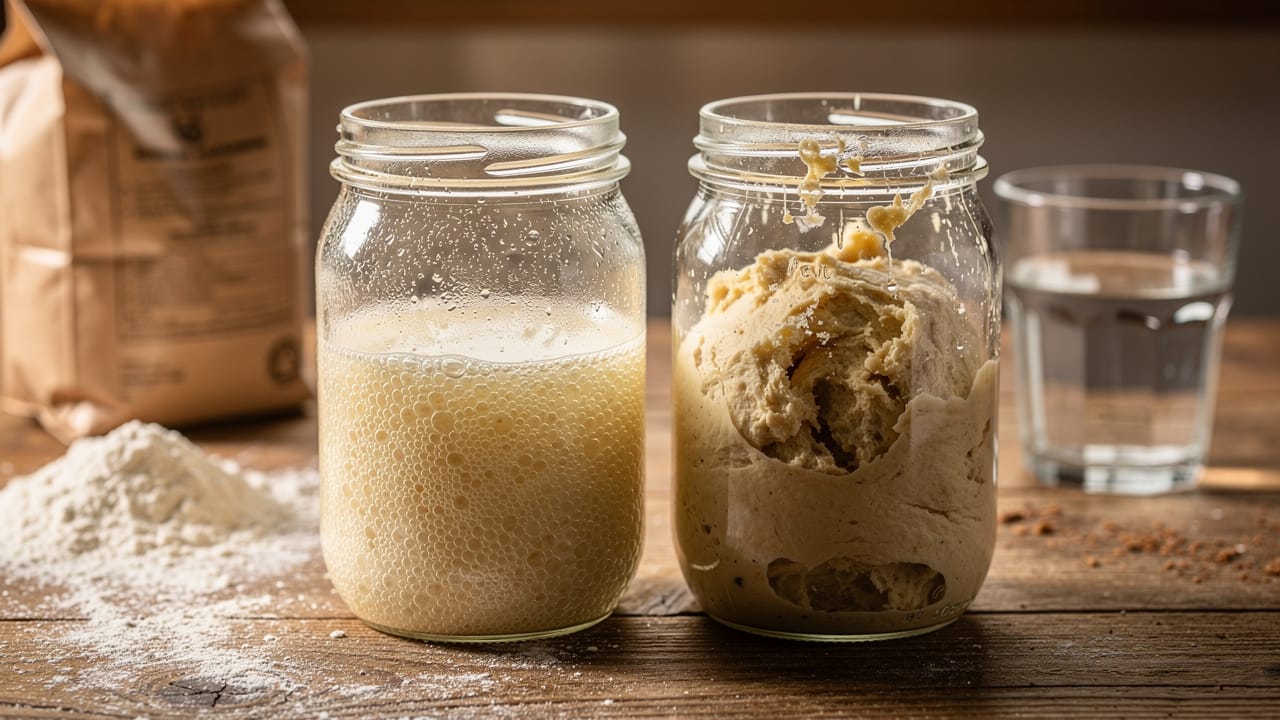
Poolish is a wet, fluid pre-ferment with equal parts flour and water by weight (100% hydration). It originated in Poland, was refined in France, and is characterized by its loose, batter-like consistency.
Poolish makes dough significantly easier to stretch without tearing. The high-hydration ferment creates a light, airy crumb with irregular holes, and the flavor is sweet and complex — fermented notes that stay subtle enough not to compete with your toppings.
Being liquid, poolish incorporates into your final dough with minimal mixing, which matters for high-hydration styles where overworking damages gluten structure. After testing dozens of poolish batches over the last couple of years, I can say this is the single biggest practical advantage — you get pre-ferment benefits without risking overworked dough.
Visual Cues for Ready Poolish:
- Surface covered with bubbles of varying sizes
- Dome-shaped or just beginning to flatten in the center
- Pleasant, slightly sweet, fermented aroma
- Increased volume (roughly doubled)
- Liquid consistency maintained
Best Pizza Styles for Poolish:
- Roman pizza al taglio (high hydration, light texture)
- Neapolitan-style variations
- Focaccia and flatbreads
- Any pizza where easy stretching matters
- High-hydration artisan styles
Biga explained
Biga is a stiff, dough-like pre-ferment with low hydration, typically 50-60% water to flour ratio. This traditional Italian preferment is firmer and drier than poolish, resembling a stiff bread dough.
Biga produces a stronger, more structured crumb than poolish, giving a chewier texture. The lower hydration drives acetic acid production (vinegar-like) rather than the lactic acid (yogurt-like) you get from wetter ferments: which is what gives biga its deep, nutty, wheaty flavor that holds up under bold toppings.
The stiff consistency needs more vigorous mixing to fully incorporate into the final dough. That extra mixing develops gluten, which feeds directly into the characteristic chew. The first time I switched from poolish to biga for a Neapolitan batch, the difference in bite was immediately obvious: a satisfying resistance that poolish doughs just don't deliver.
Visual Cues for Ready Biga:
- Tripled in volume with domed surface
- Interior shows honeycomb structure when torn
- Pleasant, nutty, bread-like aroma
- Surface appears slightly dry but not cracked
- Springs back slowly when pressed
Best Pizza Styles for Biga:
- Traditional Neapolitan pizza
- New York-style pizza (authentic chew)
- Thick crust and pan pizzas
- Pizzas with robust, flavorful toppings
- Any style prioritizing chewy texture
Poolish vs biga: side-by-side comparison
When to use poolish vs biga
Choose Poolish When:
- Making high-hydration doughs (70%+ hydration)
- Seeking light, airy texture with large holes
- Prioritizing ease of stretching and handling
- Working with delicate toppings that need subtle flavors
- Making Roman al taglio or similar styles
- Time-constrained (shorter fermentation possible)
- Prefer sweeter, more subtle fermented flavors
Choose Biga When:
- Making traditional Neapolitan or NY-style pizza
- Seeking chewy, structured texture
- Using bold, flavorful toppings that benefit from wheaty undertones
- Wanting pronounced bread-like flavors
- Making thicker crust or pan pizzas
- Need longer storage flexibility
- Prefer nutty, complex fermented flavors
Can You Combine Both?
Yes! Some advanced recipes use both poolish and biga to achieve balanced characteristics. A small portion of each (15-20% poolish, 15-20% biga) can provide complexity, extensibility, and structure simultaneously.
The Tiga: A Hybrid Approach
There is a third option that does not get nearly enough attention: the tiga. A tiga is a modified biga run at 70% hydration -- wetter than a traditional biga (50-60%) but thicker than a poolish (100%). It bridges the gap between the two, giving you some of the chew and wheaty depth of a biga alongside the extensibility and lighter crumb of a poolish. Some champion pizza makers swear by this hybrid approach because it lets you dial in exactly the balance you want without maintaining two separate starters. If poolish and biga are opposite ends of a spectrum, tiga sits right in the sweet spot.
A Note on the Indirect Method
Using a pre-ferment (the "indirect method") benefits nearly every pizza style -- Neapolitan, New York, Roman, Sicilian, and most artisan variations. The notable exceptions are Chicago deep-dish, Detroit-style, St. Louis-style, and Grandma-style pizza. Those styles rely on a simpler, more bread-like dough character where the toppings and cheese do the heavy lifting flavor-wise. A pre-ferment would actually work against the straightforward, bready texture those styles depend on.
How to make poolish for pizza dough
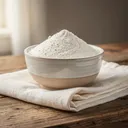 100g
Bread flour
20% of total flour
100g
Bread flour
20% of total flour
 100g
Water
cold
100g
Water
cold
 0.1g
Instant yeast
or 0.3g fresh
0.1g
Instant yeast
or 0.3g fresh
Precise Starter Recipe:
For those who prefer exact measurements: 0.12g yeast, 47g cold water, 47g flour (100% hydration). Yes, those tiny yeast amounts are intentional: a kitchen scale with 0.1g precision is essential here. You want slow, controlled development that builds complex flavor over hours, not a fast rise that tastes bland.
Critical: Always use COLD water for your poolish -- not room temperature, not warm. This is the opposite of what most beginners assume. Cold water slows the fermentation down, which is exactly what you want. Slower fermentation means more time for enzymes to break down starches and develop those complex, nuanced flavors that make people ask what your secret is.
Pro tip: Use a clear glass bowl to monitor fermentation -- you can see the bubble structure developing from the side, which is far more informative than just looking at the top. Wet your hands with ice water when handling sticky starter to keep things manageable.
Storage Tips:
- You have a maximum of 8 hours after the starter peaks (doubles in volume). After that window, it starts to collapse and lose its structural strength
- Can refrigerate for an additional 24 hours if needed
- Bring to cool room temperature (not warm) before adding to your final dough
- Should still show bubbles and pleasant aroma
- If it smells strongly alcoholic or vinegary, it's over-fermented
Cause: Room too cold, yeast inactive, or water was too hot (killed yeast).
Fix: Move to a warmer spot (72-75°F / 22-24°C). If no activity after 16 hours, start over with fresh yeast and verified cold (not hot) water.
Cause: Slightly over-fermented: the gluten network has weakened.
Fix: Still usable if it smells pleasant. Stir gently and use immediately. Next time, reduce fermentation by 2-3 hours or use less yeast.
Cause: Over-fermented well past peak.
Fix: Discard and start fresh. Reduce time or yeast in next batch. Consider colder water or a cooler spot.
Cause: Yeast is dead (old packet or killed by hot water), or flour is heavily treated.
Fix: Test your yeast by dissolving a pinch in warm water with a bit of sugar: it should foam within 10 minutes. Use untreated bread flour.
How to make biga
100g
Bread flour
20% of total flour
50-60g
Water
cold (60-65°F / 15-18°C)
0.2g
Instant yeast
or 0.6g fresh
Precise Starter Recipe (Traditional Biga):
For exact measurements: 0.14g yeast, 39g cold water, 55g flour (roughly 70% hydration). Note: this is technically closer to a tiga -- a modified biga at 70% hydration that many competition-level pizza makers prefer. It is wetter than a classic biga but thicker than a poolish, giving you a middle ground between the two. If you want a truly stiff traditional biga, reduce the water to 28-33g (50-60% hydration) and keep the same flour and yeast.
Critical: Always use COLD water -- just as with poolish. It slows the fermentation and drives the development of deeper, more complex flavors.
Pro tip: A clear glass bowl works wonders here too -- you can see exactly when the internal bubble structure has fully developed without having to tear into the biga. Wet your hands with ice water when handling.
Storage Tips:
- You have a maximum of 8 hours after the starter peaks (doubles). After that, it starts to collapse and lose strength -- and a collapsed starter will give you a flat, disappointing dough
- Bring to cool room temperature (not warm) before adding to your final dough
- Can refrigerate after 12 hours for slower development
- Keeps refrigerated for 48-72 hours at peak quality
- Should smell nutty and bread-like, not sour
- Interior should show honeycomb structure when torn
Cause: Moisture loss from loose covering or dry environment.
Fix: Cover more tightly with plastic wrap directly on the surface. If already cracking, the biga is still usable: peel off the dry layer and use the moist interior.
Cause: Over-fermented or environment too warm.
Fix: If mildly sour, use immediately: it will still work but flavor will be more acidic. If strongly sour, discard. Next time reduce fermentation time or move to a cooler spot.
Cause: Under-fermented: yeast hasn't had enough time or warmth.
Fix: Give it more time (up to 24 hours). If your kitchen runs cool (below 68°F / 20°C), use slightly warmer water to compensate, or find a warmer spot.
Incorporating pre-ferments into pizza dough
General Guidelines:
- Pre-ferments typically comprise 15-30% of total flour weight using baker's percentages
- 20-25% is most common for balanced results
- Higher percentages (30-40%) create more pronounced effects
- Account for flour and water in pre-ferment when calculating final dough: our pizza dough calculator handles this math for you
Tip: The most common mistake when using pre-ferments is forgetting to subtract the pre-ferment's flour and water from the final dough totals. Always calculate your hydration based on the combined weight of all flour and all water across both the pre-ferment and the final mix.
400g
Bread flour
plus 100g in poolish = 500g total
215g
Water
plus 100g in poolish = 315g total (63%)
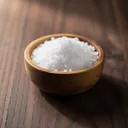 15g
Salt
3% of total flour
1g
Instant yeast
0.2% of total flour
400g
Bread flour
plus 100g in biga = 500g total
255g
Water
plus 50g in biga = 305g total (61%)
15g
Salt
3% of total flour
1g
Instant yeast
0.2% of total flour
15g
Salt
3% of total flour
1g
Instant yeast
0.2% of total flour
400g
Bread flour
plus 100g in biga = 500g total
255g
Water
plus 50g in biga = 305g total (61%)
15g
Salt
3% of total flour
1g
Instant yeast
0.2% of total flour
Converting a direct dough to use a pre-ferment
If you already have a pizza dough recipe you love (say from our overnight pizza dough guide), converting it to use a pre-ferment is straightforward:
The total flour and water stay the same: you are just fermenting part of it in advance. This works with any pizza style and is a reliable way to level up a recipe you already know.
Advanced pre-ferment techniques
For a deeper dive into how fermentation works in pizza dough, including bulk fermentation and timing strategies, see our dedicated guide.
Adjusting Fermentation Time:
- Warmer temperature (75-80°F): Reduce time by 25-30%
- Cooler temperature (65-70°F): Extend time by 25-30%
- Refrigeration: Extends usable window significantly
- More yeast: Faster fermentation but less flavor complexity
Flour Selection for Pre-Ferments:
- Bread flour: Standard choice, good balance
- High-protein flour: Stronger structure, especially for biga
- Whole wheat (10-20%): Adds nutty flavor and enzymes
- 00 flour: Authentic for Italian biga, silky texture
Tip: For your first few pre-ferments, stick with standard bread flour -- it's the most forgiving and gives consistent results. Experiment with 00 or whole wheat blends once you can reliably judge when your starter is ripe.
Scaling Pre-Ferments:
Multiply or divide all ingredients proportionally. A larger pre-ferment (500g+) ferments slightly faster due to thermal mass and increased yeast population.
Maintaining Consistency:
Keep detailed notes on room temperature, timing, and results. Pre-ferment behavior varies with seasons, climate, and flour brands. Experienced bakers learn to adjust by sight and smell rather than strict timing. I keep a simple notebook next to my mixing bowl: just the date, room temp, and when the starter peaked. After ten batches, you start noticing patterns that no recipe can teach you.
Poolish vs biga vs sourdough
A common question: how do these commercial-yeast pre-ferments compare to a sourdough starter? The short answer: different tools for different goals.
Sourdough uses wild yeast and lactic acid bacteria from the environment. It takes 5-14 days to establish a starter, requires regular feeding, and produces a distinctly tangy flavor with longer fermentation times (24-72 hours for dough). The upside: unmatched depth of flavor and no commercial yeast needed.
Poolish and biga use commercial yeast. They are ready in a single overnight session, produce more predictable results, and let you focus on texture differences (airy vs chewy) rather than managing a living culture. For most home pizza makers, this reliability is the deciding factor.
If you love the tang of sourdough but want the convenience of a pre-ferment, try adding 10-15% of your flour as a sourdough pizza dough starter alongside a smaller poolish or biga. The combination gives you complexity from wild yeast and structure from commercial yeast.
Choosing between poolish and biga
The poolish vs biga decision is really a question of what you want on the plate. Light and airy with easy stretching? Poolish. Chewy and structured with wheaty depth? Biga. Not sure? Start with poolish: it's more forgiving and the results are immediately satisfying.
- Poolish (100% hydration): light crumb, sweet flavor, easy handling: best for Roman al taglio, focaccia, and high-hydration styles
- Biga (50-60% hydration): chewy crumb, nutty flavor, structured texture: best for Neapolitan, NY-style, and pan pizzas
- Tiga (70% hydration): the hybrid that bridges both: worth trying if you want balance
- Always use cold water and account for pre-ferment flour and water in your total dough hydration
- Pick one method and stick with it for at least five bakes before switching
- Converting any direct dough recipe to use a pre-ferment takes five minutes of math
Ready to try a pre-ferment in your next pizza dough? Use our pizza dough calculator to get exact measurements for any style, or explore our complete pizza dough guides for style-specific techniques.
Frequently Asked Questions
Poolish is a liquid pre-ferment (100% hydration — equal flour and water by weight) that produces a light, airy, extensible dough with sweet, complex flavors. Biga is a stiff pre-ferment (50–60% hydration) that creates a chewy, structured crumb with nutty, wheaty depth. Choose poolish for light styles like Roman al taglio and high-hydration pizzas; choose biga for Neapolitan, NY-style, and pizzas where chew is the priority.
Neither is universally better — it depends on the style. Poolish gives you extensibility and airiness, ideal for Roman al taglio and any high-hydration pizza where easy stretching matters. Biga gives you chew and structured crumb, ideal for Neapolitan and NY-style pizza. If you're unsure, poolish is more forgiving and easier to start with. For a middle ground, try a tiga (70% hydration) which bridges both.
Poolish ferments 8–16 hours at room temperature; it's ready when it has doubled, shows large surface bubbles, and has a slightly domed top. Biga ferments 12–24 hours; it's ready when it has tripled in volume and shows a honeycomb interior when torn. Both benefit from a 30-minute refrigerator rest before incorporating into the final dough. Never use over-fermented pre-ferments — collapsed or strongly alcoholic-smelling starters should be discarded.
Pre-ferments typically comprise 15–30% of total flour weight, with 20–25% being most common. Higher percentages (30–40%) create more pronounced flavor and texture effects. Always account for the flour and water in the pre-ferment when calculating total dough hydration — this is the most common calculation mistake.
A tiga is a hybrid pre-ferment at 70% hydration — wetter than traditional biga (50–60%) but thicker than poolish (100%). It bridges the gap between the two, giving you some of biga's chew and wheaty depth alongside some of poolish's extensibility and lighter crumb. Use it when you want a balance between the two styles, or as a first step if you're not sure which pre-ferment suits your recipe.
Yes, but you need to adjust the hydration. If a recipe calls for biga (50–60% hydration), switching to poolish (100% hydration) means the pre-ferment contributes more water. Reduce the water in the final dough by the difference. For example, swapping 150g of biga (100g flour, 50g water) for poolish means your pre-ferment now has 100g water instead of 50g — so subtract 50g from the final dough water. The texture and flavor will shift toward a lighter, airier crumb.
No. Biga uses commercial yeast (instant or fresh) and ferments for 12–24 hours. Sourdough starter relies on wild yeast and bacteria captured from the environment, takes days to establish, and produces a distinctly tangy flavor. Biga gives you more predictable, consistent results with a milder, nuttier flavor profile. Both are pre-ferments, but they use fundamentally different microorganisms.
Poolish is a liquid pre-ferment (100% hydration, flour + water + yeast). Biga is a stiff pre-ferment (50–60% hydration, flour + water + yeast). Pâte fermentée (old dough) is a piece of fully mixed, salted dough saved from a previous batch. The key difference: pâte fermentée contains salt, which slows yeast activity and produces a milder flavor. Poolish and biga are purpose-built starters with no salt, allowing more active fermentation and deeper flavor development.
Temperature is the single biggest variable. At 75–80°F (24–27°C), fermentation speeds up by 25–30%, so reduce your timeline. At 65–70°F (18–21°C), it slows by 25–30%. Cold water (60–65°F / 15–18°C) is recommended for both pre-ferments because it extends the fermentation window, giving enzymes more time to develop complex flavors. If your kitchen runs warm in summer, cut the yeast amount by 20–30% to compensate.
Take 20–25% of the total flour weight and set it aside for the pre-ferment. Add equal water for poolish (100% hydration) or half the water for biga (50% hydration), plus a tiny amount of yeast (0.1–0.2% of the pre-ferment flour). Ferment 12–18 hours, then subtract the pre-ferment's flour and water from the final dough recipe. The total flour and water stay the same — you're just fermenting part of it in advance.
Sources
Cook smarter
Join the waitlist for Fond. Recipes, meal plans, and a little AI sous-chef that learns how you cook.
Related guides
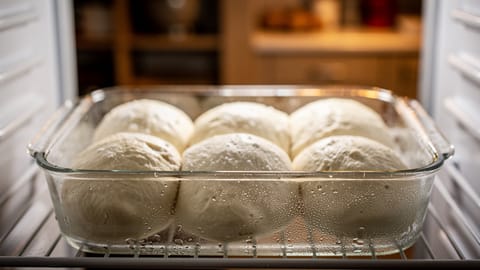
Cold Fermentation Pizza Dough Guide
Slow-rise your dough in the fridge for 24, 48, or 72 hours. The longer it sits, the more complex the flavor gets. Most home bakers hit the sweet spot at 48 hours with 0.1% fresh yeast.
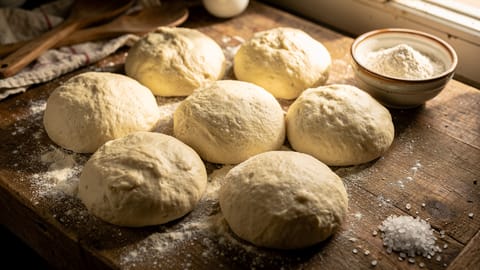
Neapolitan Pizza Dough
Neapolitan dough the way Naples does it: 00 flour, 60-62% hydration, long fermentation, and extreme heat. This guide follows AVPN standards and adapts them for home ovens, including flour brands, fermentation schedules, and a full troubleshooting section.
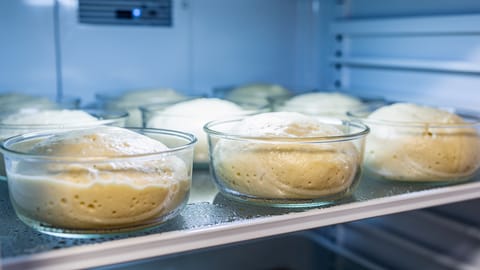
Overnight Pizza Dough
Mix the dough before bed, refrigerate it, bake pizza the next day. 10 minutes of work the night before, and you get better flavor than same-day dough with zero extra effort.
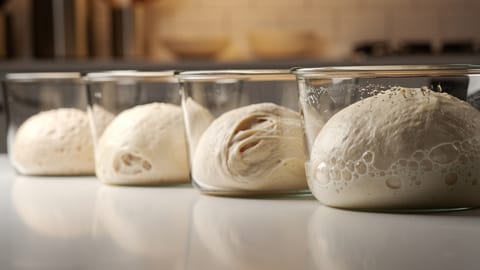
Pizza Dough Fermentation: Room Temperature vs Cold Fermentation
Room temp vs. fridge, 4 hours vs. 72 hours, and how to tell when your dough is actually ready. The time-temperature relationship is the single biggest lever for better-tasting pizza.
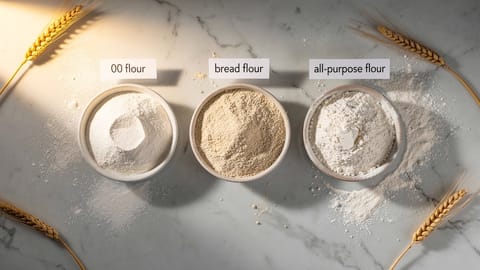
Pizza Flour Guide: 00, Bread Flour, AP & Protein Content
00 vs. bread flour vs. all-purpose: what actually matters is protein content and how it matches your pizza style. Includes W values, brand recommendations, and a style-to-flour matching table.
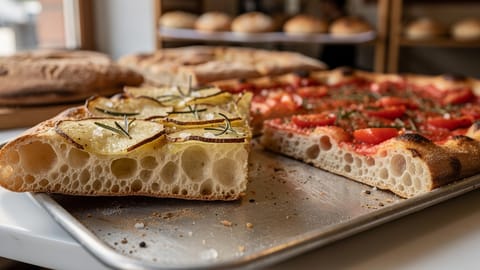
Roman pizza al taglio
Rome's iconic sheet pizza, sold by weight and eaten standing up. An ultra-light, airy crumb with a crispy bottom, made with poolish and ~80% hydration over 2-3 days.
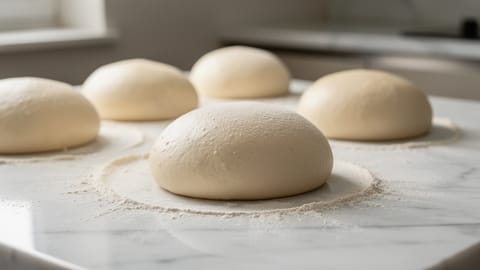
Sourdough Pizza Dough
Make pizza with your sourdough starter for a crust with real complexity: mild tang, open crumb, and excellent browning. Plan for 8-72 hours of fermentation depending on your schedule.
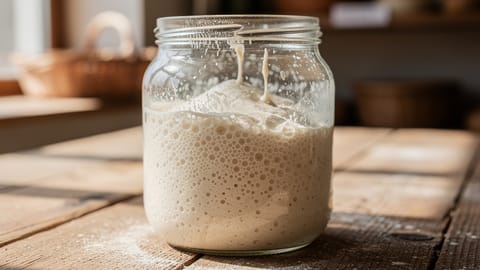
Poolish
A wet pre-ferment made with equal parts flour and water plus a small amount of yeast, fermented 8-16 hours to develop flavor and improve dough extensibility.
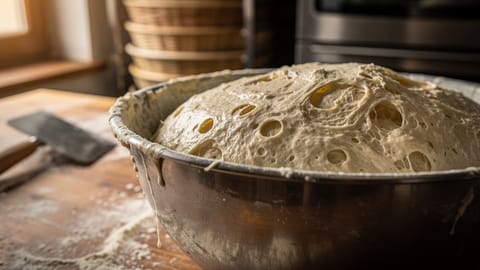
Biga
A stiff Italian pre-ferment with 50-60% hydration, used to add structure, flavor complexity, and a nuttier taste to bread and pizza doughs.