 Bastien
Al Forno
An Italian cooking term meaning "in the oven", food baked or roasted at high heat, often with a golden, bubbling crust on top.
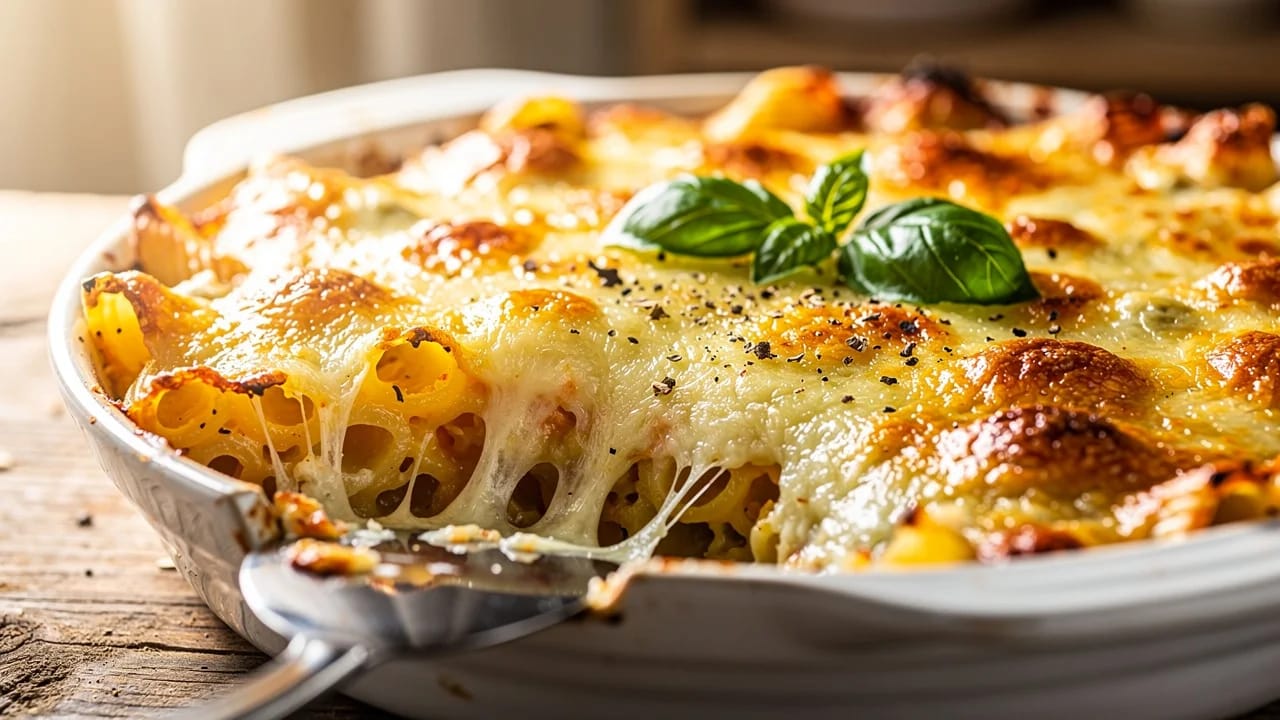
Al forno (pronounced ahl FOR-noh) is an Italian culinary term that translates literally to "in the oven." It describes any dish that's baked or roasted in an oven, typically at high heat until the top develops a golden, bubbling crust. When you see "al forno" on a menu or in a recipe, expect a dish that has spent time in a hot oven, usually finished with a gratinated top of cheese, breadcrumbs, or béchamel.
The term comes from the Italian word forno, meaning oven or furnace, which itself derives from the Latin furnus. In Italy, the forno was historically the communal bread oven where villagers brought dishes to bake. That tradition shaped an entire category of Italian cooking.
How to pronounce al forno
Al forno: ahl FOR-noh
Stress falls on the first syllable of "forno." The "o" sounds are open, as in "or." It rhymes with the English word "adorno" without the "ad."
What makes a dish al forno
Not every oven-cooked dish counts as al forno in the Italian tradition. The term carries specific expectations:
- High heat. Typically 180–220°C (350–425°F). The goal is to develop color and crust, not just warm through.
- A golden top. The hallmark of al forno cooking is a browned, often bubbling surface. This is the Maillard reaction and caramelization at work.
- A baking dish. Al forno dishes are assembled in oven-safe vessels: ceramic baking dishes, terracotta, or cast iron.
- Layered or assembled. Most al forno dishes involve layering ingredients before baking, rather than simply placing a single item in the oven.
Classic al forno dishes
Pasta al forno
The most common use of the term. Pasta al forno refers to any baked pasta dish — pasta that is partially cooked, combined with sauce, cheese, and sometimes meat or vegetables, then baked until the top is golden and the interior is bubbling.
Popular variations include:
- Lasagne al forno. Layers of fresh pasta sheets, ragù (meat sauce), béchamel, and Parmigiano-Reggiano. The definitive al forno dish.
- Rigatoni al forno. Rigatoni baked with sausage ragù, mozzarella, and Parmigiano. The tube shape traps sauce inside each piece.
- Penne al forno. Penne with tomato sauce, mozzarella, and basil, baked until the cheese stretches and the top crisps.
- Cannelloni. Filled pasta tubes baked in sauce, typically with ricotta and spinach or a meat filling.
The key to good pasta al forno: cook the pasta to just under al dente before assembling. It will finish cooking in the oven. Overcooked pasta turns mushy after baking.
Beyond pasta
Al forno isn't limited to pasta. Italian cuisine uses the term for many oven-baked preparations:
- Melanzane alla parmigiana. Layered eggplant with tomato sauce and cheese, baked until bubbling
- Pesce al forno. Whole fish or fillets roasted with herbs, olive oil, and lemon
- Patate al forno. Oven-roasted potatoes with rosemary and garlic
- Pomodori al forno. Slow-roasted tomatoes, concentrated and sweet
- Verdure al forno. Mixed vegetables roasted until caramelized
Al forno vs gratin vs gratinato
These terms overlap but aren't identical:
The practical difference: Al forno means the dish is fully baked in the oven from start to finish. Gratin and gratinato can refer to dishes that are cooked on the stovetop or assembled cold, then finished under a broiler or in a hot oven just long enough to form a crust on top.
A lasagne is al forno. Potatoes dauphinoise finished under a broiler are a gratin. A pasta dish that is fully baked in the oven with a cheese crust is both al forno and gratinato.
Tips for better al forno dishes
Oven temperatures for al forno cooking
| Dish | Temperature | Time | Signs of doneness |
|---|---|---|---|
| Lasagne | 180°C (350°F) | 40–50 min | Bubbling edges, golden top |
| Baked rigatoni/penne | 190°C (375°F) | 25–35 min | Cheese melted and lightly browned |
| Whole fish | 200°C (400°F) | 20–30 min | Flesh flakes easily, skin crisped |
| Roasted vegetables | 210°C (410°F) | 30–45 min | Caramelized edges, tender center |
| Eggplant parmigiana | 180°C (350°F) | 35–45 min | Sauce bubbling, cheese golden |
What to expect on a menu
When you see "al forno" on a restaurant menu, expect:
- A dish that's been baked, not sautéed or boiled
- A golden or browned top, often cheese, breadcrumbs, or béchamel
- A hearty, comforting preparation. Al forno dishes are rarely light.
- A baking dish or individual cocotte as the serving vessel
If the menu says "pasta al forno" without further detail, it typically means a baked pasta with tomato sauce, mozzarella, and possibly meat. Think of it as the Italian equivalent of a casserole.
Other Italian cooking method terms
Understanding al forno in context with other Italian method terms:
- Al dente. Firm to the bite, used for pasta and risotto texture
- Alla griglia. Grilled over open flame
- In padella. Pan-cooked, in a skillet
- Al vapore. Steamed
- Fritto. Fried
- Brasato. Braised, slow-cooked in liquid
Al forno cooking in Fond
Fond's recipe view displays oven temperature and baking time at a glance for al forno dishes. Cook mode walks you through assembly and layering steps, then sets a timer for the bake. When you need to adjust portions, recipe scaling recalculates ingredient amounts while keeping baking times appropriate for the dish size.
Sources
Cook smarter
Join the waitlist for Fond. Recipes, meal plans, and a little AI sous-chef that learns how you cook.
Related terms
Al Dente
Italian for "to the tooth" — food cooked so it's tender but still firm when you bite into it, most often applied to pasta.
Braising
A slow-cooking method that sears food at high heat, then simmers it in liquid in a covered pot until tender.
Maillard Reaction
The chemical reaction between amino acids and sugars that occurs when food is heated, creating the brown color and complex flavors of seared meat, toasted bread, and roasted coffee.