 Bastien
Mise en Place
The practice of preparing and organizing all ingredients before cooking — everything in its place.
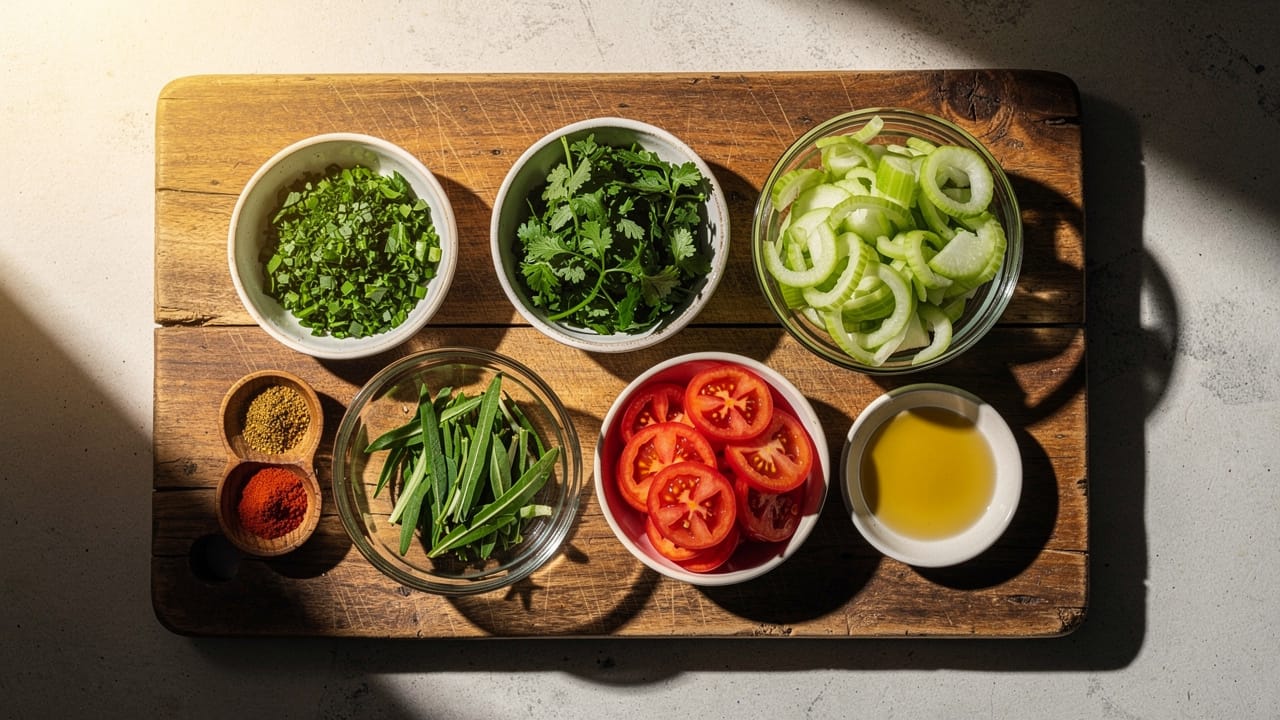
Mise en place (pronounced "MEEZ ahn plahs") is a French culinary term that translates to "everything in its place." In cooking, mise en place means preparing and organizing every ingredient, tool, and piece of equipment before you turn on the heat.
The concept originated in 19th-century French professional kitchens, where Auguste Escoffier formalized the brigade system. Line cooks needed a way to handle dozens of orders per hour without fumbling. The answer was total preparation before service began. That discipline carries into home kitchens just as well.
Why mise en place matters
Mise en place is not about being neat for the sake of it. It solves real problems that cause meals to go wrong.
You catch mistakes early. Reading the full recipe and pulling every ingredient exposes gaps before they become emergencies. No more discovering halfway through a stir-fry that you're out of soy sauce.
Timing-sensitive techniques actually work. Searing meat, deglazing a pan, or blanching vegetables all depend on having everything within arm's reach when the moment comes. The Maillard reaction that builds deep browning happens in a narrow temperature window. Scrambling for an ingredient during that window means losing control of the heat.
Total cook time drops. It feels slower to prep everything first, but cooking becomes pure assembly once you start. No pauses to mince garlic while onions burn, no hunting for the right measuring spoon.
You waste less food. Pre-measuring means you use exactly what the recipe calls for. No half-chopped onion abandoned on the cutting board because time ran out.
How to practice mise en place at home
You don't need a professional kitchen or specialty equipment. A few small bowls, clear counter space, and a bit of intention are enough.
- Read the entire recipe from start to finish. Flag anything that needs lead time — marinating, bringing meat to room temperature, preheating the oven.
- Gather all ingredients from the pantry, fridge, and spice rack. If something is missing, you know now.
- Wash, peel, chop, and measure each ingredient. Group items that hit the pan at the same time into the same bowl.
- Set out tools — pans, spatulas, tongs, thermometer, kitchen scale. Start passive tasks like boiling water or preheating.
- Organize your station in order of use. Keep a trash bowl nearby for scraps and a clean towel within reach.
Mise en place examples
What mise en place looks like depends on the complexity of the dish:
| Dish | Mise en place |
|---|---|
| Weeknight pasta | Boil water, measure pasta, mince garlic, grate cheese, open canned tomatoes |
| Stir-fry | Slice all vegetables, mix sauce in a bowl, portion protein, have oil and aromatics ready |
| Braised short ribs | Season and temper meat, dice mirepoix, measure wine and stock, prep herb bundle |
| Baking a cake | Measure dry and wet ingredients separately, grease pan, preheat oven, set out stand mixer |
In every case, the pattern is the same: prep everything, then cook. The scale changes, the principle doesn't.
Mise en place in professional kitchens
Restaurant kitchens take this further. Morning prep shifts exist for one reason: building mise en place before service. Cooks arrive hours early to break down proteins, build stocks, make sauces, and portion ingredients. During service, "cooking" is mostly assembly — applying heat to components that were prepped hours ago.
Each station keeps ingredients in the same position every shift. A sauté cook grabs the salt without looking because it's always in the same spot. That muscle memory is what makes a packed kitchen look effortless from the dining room.
When supplies run low mid-service, cooks restock immediately — never waiting until they run out. This is called "refiring your mise."
Common mise en place mistakes
- Skipping the recipe read-through. The single most common cause of cooking disasters. Two minutes of reading saves twenty minutes of scrambling.
- Prepping too far in advance. Mise en place means prepping for the meal you're about to cook. Cut herbs oxidize, diced onions dry out, minced garlic loses its punch. Prep the day you cook.
- Letting cleanup slide. The prep phase is half the equation. Maintaining order while you cook — wiping the counter between steps, returning tools to their spot — keeps the system working.
- Overcomplicating the setup. Matching prep bowls look great online. You don't need them. Ramekins, small plates, even a muffin tin all work. The habit matters, not the gear.
Mise en place in Fond
Fond's Cook Mode is built around mise en place. When you open a recipe, it lists every ingredient with exact quantities you can check off as you prep. If you need to scale the recipe up or down, every measurement adjusts automatically — so your mise en place is always accurate, whether you're cooking for two or ten.
Frequently asked questions
How do you pronounce mise en place?
"MEEZ ahn plahs." The "s" in mise is voiced (like a "z"), "en" sounds like "ahn," and "place" rhymes with "boss" — not the English word "place."
Is mise en place only for professional chefs?
Not at all. The concept works the same way in a home kitchen. Even for a simple weeknight dinner, reading the recipe and prepping ingredients before cooking reduces stress and mistakes.
What does mise en place mean in baking?
The same thing, but it's arguably even more important. Baking is less forgiving of improvisation — once dry and wet ingredients are combined, you can't easily fix a missed item. Measuring everything into separate bowls before starting is standard practice in pastry.
Is mise en place the same as meal prep?
They overlap but aren't identical. Mise en place is preparing ingredients for a single cooking session. Meal prep typically means batch-cooking components for multiple meals across the week. Mise en place happens before every meal; meal prep is a weekly planning strategy.
For a deeper look at building the mise en place habit with practical checklists and pro kitchen techniques, see our full guide on what mise en place is and why it matters.
Cook smarter
Join the waitlist for Fond. Recipes, meal plans, and a little AI sous-chef that learns how you cook.
Related terms
Blanching
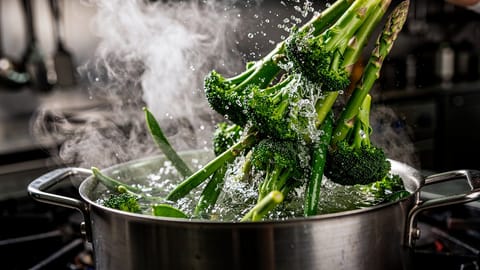
Briefly boiling food then plunging it into ice water to stop cooking — used to preserve color, texture, and nutrients.
Braising
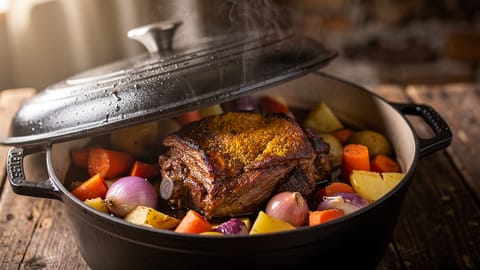
A slow-cooking method that sears food at high heat, then simmers it in liquid in a covered pot until tender.
Kitchen Scale
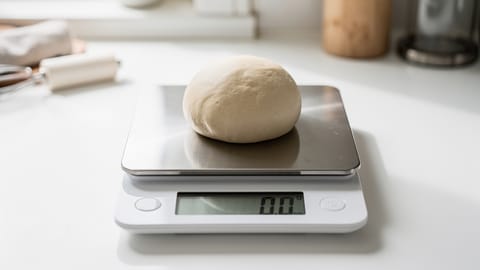
A digital scale for measuring ingredients by weight — far more accurate than cups and spoons, especially in baking.
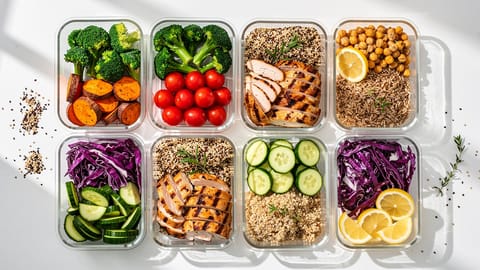
Meal Prep
Preparing meals or meal components in advance, typically for the week ahead, to save time and reduce daily cooking effort.
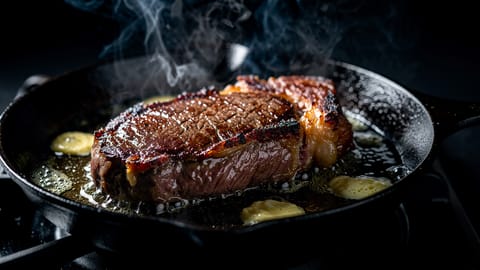
Searing
High-heat browning technique that creates a flavorful Maillard crust on meat, fish, or vegetables.
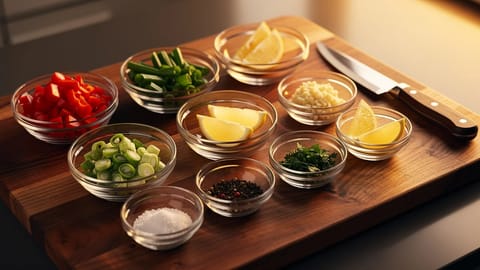
What is mise en place and why it matters
Mise en place is the practice of preparing and organizing every ingredient and tool before you start cooking. It's the single habit that separates chaotic, stressful cooking from calm, confident meals, and it works just as well in a home kitchen as it does in a professional one.
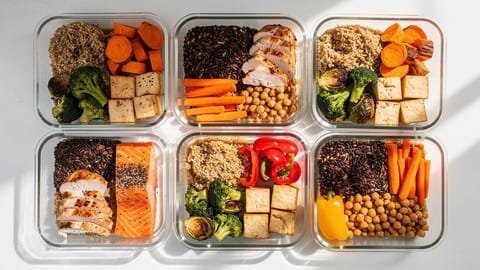
Batch cooking for beginners: how to cook once and eat all week
Batch cooking means dedicating a few hours to cooking large quantities of food that you portion and store for the week ahead. It's not the same as meal prep — instead of assembling complete meals, you cook versatile building blocks (grains, proteins, sauces, roasted vegetables) that mix and match into different dishes every night. This guide covers everything you need to start: planning, cooking, storing, and scaling.
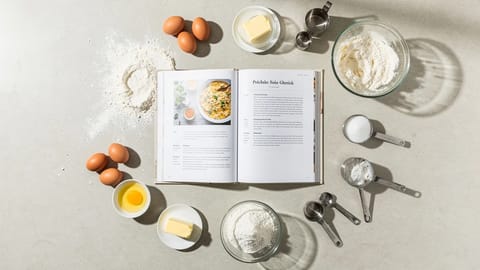
How to read a recipe: a complete guide for confident cooking
Reading a recipe well means understanding structure, decoding measurements, spotting hidden time requirements, and setting yourself up before a single burner clicks on. This guide breaks down every part of a recipe — from ingredient lists and abbreviations to doneness cues and digital tools — so you can cook with confidence every time.