 Bastien
Umami
The fifth basic taste — a savory, meaty depth found in aged cheeses, soy sauce, mushrooms, and fermented foods.
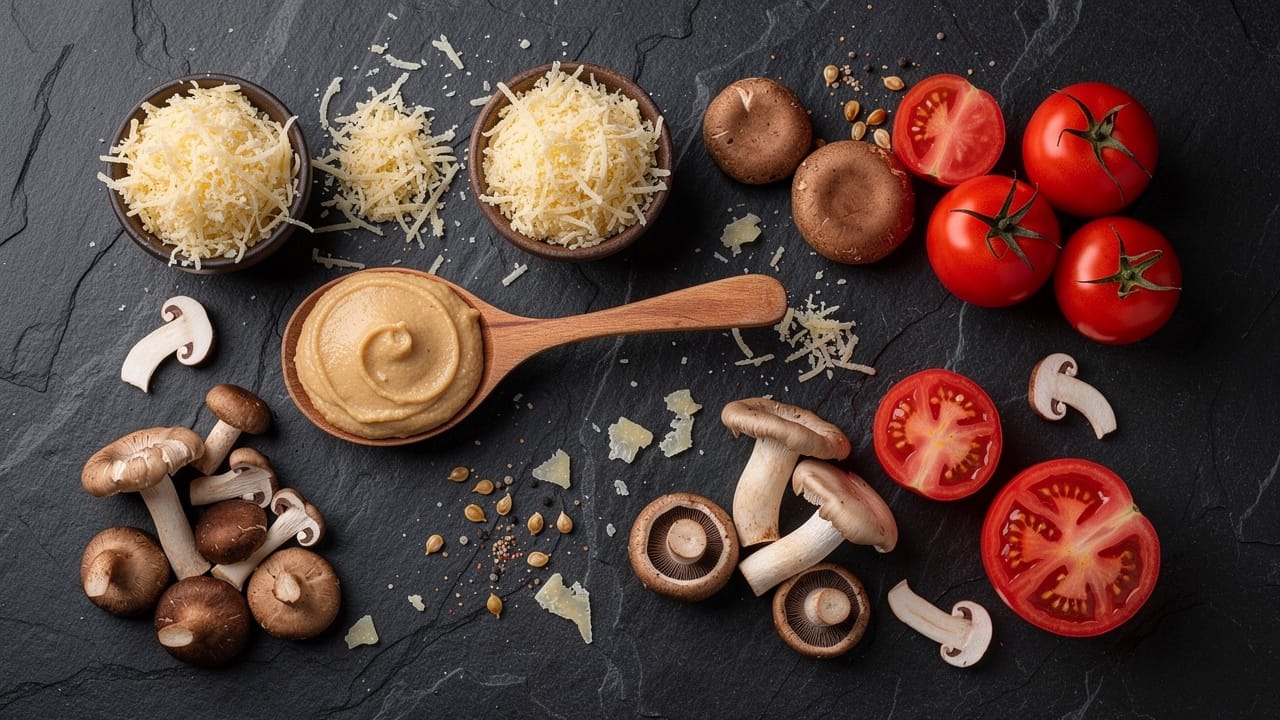
Umami is the fifth basic taste alongside sweet, sour, salty, and bitter. The word comes from the Japanese umai (delicious) and mi (taste). In cooking, umami is the deep, savory, mouth-coating sensation that makes foods like aged Parmesan, soy sauce, ripe tomatoes, and slow-cooked stock feel rich and satisfying without added fat or salt.
Japanese chemist Kikunae Ikeda identified umami in 1908 while studying why dashi broth made with kombu seaweed tasted so different from the four known tastes. He isolated glutamate as the compound responsible and coined the term "umami." Western food science didn't formally recognize it as a distinct taste until 2002, when researchers confirmed that human taste buds carry dedicated glutamate receptors.
What does umami taste like
Umami doesn't taste like any single ingredient. It's a broad, savory sensation that coats the tongue and lingers after swallowing. If you've ever bitten into a ripe tomato and noticed how it tastes "meaty" without any meat, that's umami. If a bowl of miso soup feels satisfying in a way plain salted water doesn't, glutamate is the reason.
Signs you're tasting umami:
- A mouth-filling, savory quality that spreads across the tongue
- Increased salivation
- A lingering aftertaste that makes you want another bite
- A sense of depth or completeness in a dish
The science behind umami taste
Umami is triggered by three compounds:
Glutamate (an amino acid) is the primary umami compound. Free glutamate — not bound inside proteins — activates the T1R1/T1R3 taste receptors on the tongue. Cooking, aging, fermenting, and drying all break proteins into free amino acids, which is why processed and aged foods taste more savory than fresh ones.
Inosinate (IMP) is a nucleotide found mainly in meat and fish. It's why cooked chicken, pork, and tuna taste deeply savory.
Guanylate (GMP) is a nucleotide concentrated in dried mushrooms, especially shiitake.
The key principle: when glutamate combines with either inosinate or guanylate, the umami effect multiplies — up to eight times stronger than glutamate alone. This synergy explains why classic pairings like Parmesan with tomato sauce, or kombu with bonito flakes in dashi, taste far richer than either ingredient on its own.
Umami foods and ingredients
Here are the most common umami-rich foods, organized by glutamate content:
| Ingredient | Free glutamate (mg/100g) | Notes |
|---|---|---|
| Parmesan cheese | 1,200-1,680 | Highest of any common food |
| Soy sauce | 400-1,700 | Varies by brand and fermentation time |
| Fish sauce | 950-1,380 | Southeast Asian umami staple |
| Miso paste | 200-700 | Red (aka) miso has more than white (shiro) |
| Dried shiitake | 1,060 | Also high in guanylate (synergy) |
| Ripe tomatoes | 140-250 | Rises as tomatoes ripen; highest in sun-dried and paste |
| Kombu seaweed | 1,600-3,200 | The original source Ikeda studied |
| Anchovies | 630-1,200 | Dissolve into sauces for invisible depth |
| Dried bonito (katsuobushi) | 700-800 | High in inosinate — pairs with kombu |
| Aged cheddar | 120-180 | More umami than young cheddar |
| Worcestershire sauce | 75-100 | Anchovy-based, adds umami to Western dishes |
| Oyster sauce | 90-150 | Common in Chinese stir-fries |
Everyday umami boosters: tomato paste, mushroom powder, nutritional yeast, aged balsamic vinegar, marmite, and black garlic.
How to add umami to food
The practical side of umami is simple: layer multiple umami sources in a dish, and the synergy multiplies the effect.
Build a glutamate base. Start sauces, soups, and braises with tomato paste, miso, or soy sauce. A tablespoon of tomato paste seared in oil before adding liquid gives a savory backbone to any sauce.
Add a nucleotide source. Combine that glutamate base with meat, fish, or dried mushrooms. The glutamate-nucleotide synergy is what turns a good dish into one that tastes complete.
Use umami as a seasoning, not a flavor. A teaspoon of fish sauce in a beef stew won't make it taste fishy — it amplifies the existing meatiness. Same with a splash of soy sauce in tomato soup or a pinch of mushroom powder in scrambled eggs.
Deglaze with umami liquids. The fond (browned bits) left after searing meat is already concentrated glutamate from the Maillard reaction. Deglaze with stock, soy sauce, or wine to capture every bit of it.
Cook long and slow. Braising, simmering, and reducing all concentrate glutamate. A stock simmered for 4 hours has far more free glutamate than one simmered for 30 minutes.
Finish with a high-umami accent. Grate Parmesan over pasta, drizzle fish sauce into a dressing, or stir miso into a finished soup right before serving. Heat destroys some volatile umami compounds, so adding a boost at the end preserves maximum flavor.
Umami vs MSG
Monosodium glutamate (MSG) is the sodium salt of glutamic acid — the same compound that occurs naturally in tomatoes, Parmesan, and soy sauce. Ikeda himself invented MSG in 1909 as a way to add pure umami to food. It's chemically identical to the glutamate in Parmesan cheese.
The notion that MSG causes headaches ("Chinese restaurant syndrome") originated from a 1968 letter to the New England Journal of Medicine, but decades of controlled studies have found no consistent link between MSG and adverse symptoms in the general population. Major food safety organizations including the FDA, WHO, and EFSA classify MSG as safe.
Umami and the Maillard reaction
The Maillard reaction — the chemical browning that happens when proteins and sugars are heated above 280°F (140°C) — generates new glutamate compounds as a byproduct. This is why deeply seared steak, roasted vegetables, and toasted bread all taste more savory than their uncooked versions. The browned crust isn't just texture — it's concentrated umami.
Umami in Fond
When you import a recipe into Fond, the ingredient list shows which items are high-umami sources. This helps you understand why a dish works and where you can substitute — swapping Parmesan for nutritional yeast in a vegan version, or adding dried mushrooms to compensate for removing anchovy paste. For a deeper dive into umami-rich cooking, see our guide to umami flavor.
Frequently asked questions
Is umami the same as savory?
Savory is a general flavor category. Umami is a specific taste triggered by glutamate receptors on the tongue. Seared steak tastes savory partly because of umami, but also because of salt, fat, and Maillard browning. Umami is one component of savory flavor, not a synonym for it.
What is the easiest way to add umami to a dish?
A tablespoon of soy sauce or a teaspoon of tomato paste stirred in during cooking. Neither will dominate the dish, but both add noticeable depth. For a stronger boost, combine two sources — like soy sauce and dried mushroom powder.
Can you have too much umami?
Yes. Excess glutamate creates an unpleasant, cloying sensation sometimes described as "heavy" or "tinny." This usually happens when you combine too many concentrated sources (e.g., Parmesan + soy sauce + fish sauce + miso in the same dish). Two or three umami sources per dish is usually the right balance.
Is umami a flavor or a taste?
Umami is a basic taste, like sweet or salty — a physiological response mediated by specific receptors on the tongue. Flavor is the combination of taste, aroma, texture, and temperature that the brain assembles into a complete sensory experience.
Cook smarter
Join the waitlist for Fond. Recipes, meal plans, and a little AI sous-chef that learns how you cook.
Related terms
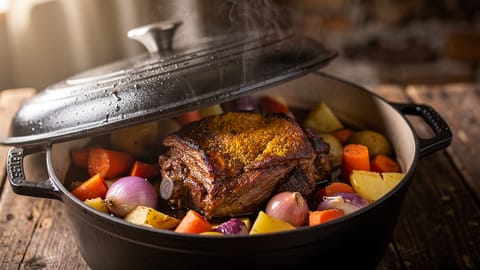
Braising
A slow-cooking method that sears food at high heat, then simmers it in liquid in a covered pot until tender.
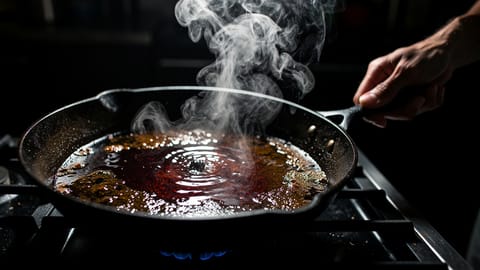
Deglazing
Adding liquid to a hot pan to dissolve the caramelized bits stuck to the bottom, creating a flavorful base for sauces.
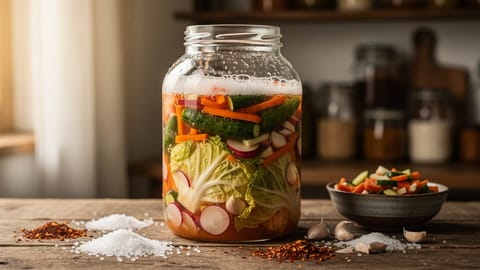
Fermentation
A metabolic process where microorganisms convert sugars into acids, gases, or alcohol — the basis of bread, yogurt, kimchi, and beer.
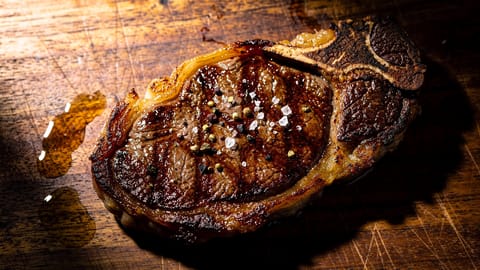
Maillard Reaction
The chemical reaction between amino acids and sugars that occurs when food is heated, creating the brown color and complex flavors of seared meat, toasted bread, and roasted coffee.
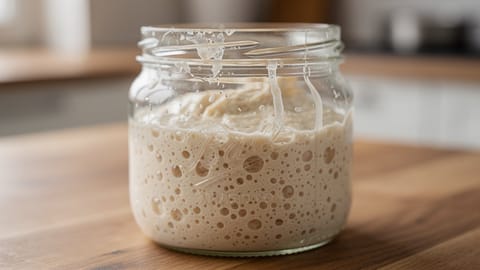
Sourdough Starter
A live culture of wild yeast and bacteria maintained with regular feedings of flour and water, used to leaven bread.
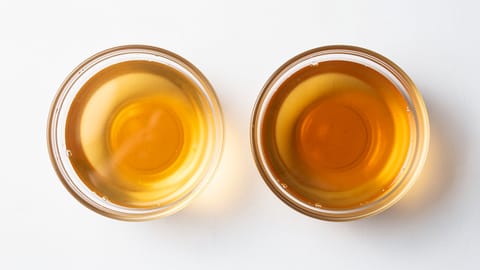
Stock vs. Broth
Stock is made from bones and connective tissue for body and richness; broth is made from meat for direct flavor. Both have different culinary uses.
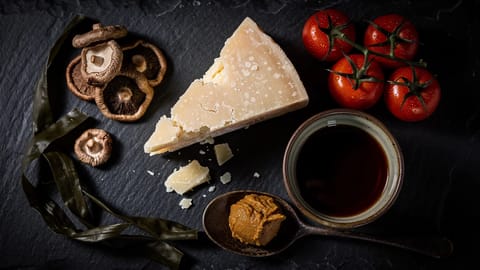
What is umami? The fifth taste explained for home cooks
You know the taste. That deep, savory richness in a slow-cooked broth, a chunk of aged parmesan, or a spoonful of miso stirred into soup. It's the reason tomato sauce tastes better after simmering for hours and why a dash of soy sauce transforms a stir-fry. That taste has a name: umami.